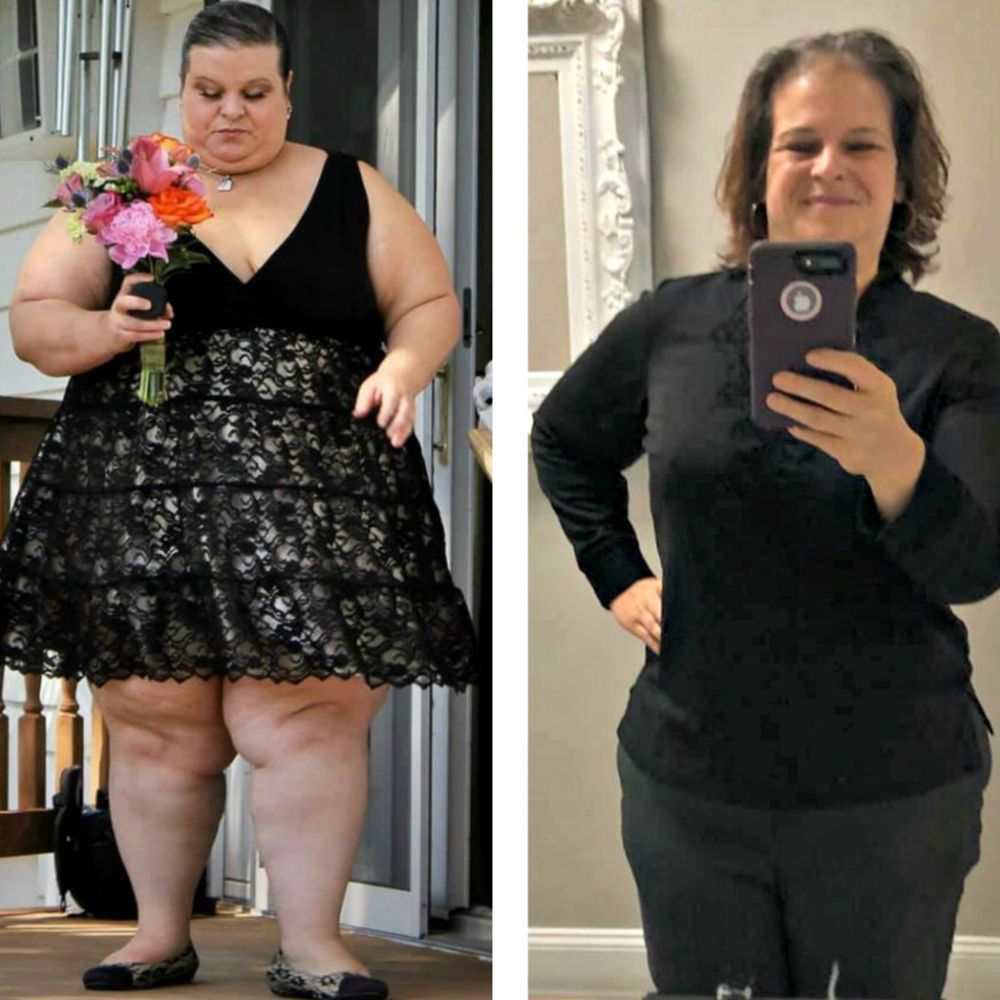
Before & After Gastric Balloon Treatment Antalya


Calculate Your Cost / Price


Gastric Balloon in Antalya
-
What is a Gastric Balloon?
A gastric balloon is a non-surgical weight loss device that is temporarily placed in the stomach to help obese individuals lose weight. It works by occupying space in the stomach, thus promoting a feeling of fullness and helping reduce food intake. This method is intended for those who have struggled to lose weight through diet and exercise alone and are looking for a less invasive option compared to bariatric surgery.
-
1.1 Technical Details
The gastric balloon is typically made of soft silicone and is inserted into the stomach via the mouth using an endoscope. Once in place, it is filled with a sterile saline solution or gas, expanding to occupy space in the stomach. The procedure usually takes about 20-30 minutes and is performed under mild sedation.
-
1.2 Is the Gastric Balloon a New Method?
The gastric balloon is not a brand-new method; it has been used for several decades. However, technological advancements and better understanding of the procedure have significantly improved its safety and efficacy over the years. Today, it is a well-established and widely accepted weight loss option.
-
1.3 What is the Difference Between a Swallowable Gastric Balloon and a Regular Gastric Balloon?
A regular gastric balloon requires an endoscopic procedure for insertion and removal, whereas a swallowable gastric balloon can be ingested in the form of a capsule. Once the capsule reaches the stomach, it is filled with a gas or liquid via a thin tube, which is then removed. The swallowable version is less invasive and does not require sedation or an endoscopic procedure, making it a more convenient option for many patients.
-
1.4 How is a Gastric Balloon Inserted?
The insertion of a gastric balloon involves an endoscopic procedure. The patient is given a mild sedative, and the deflated balloon is passed through the mouth into the stomach using an endoscope. Once positioned correctly, the balloon is filled with saline or gas to expand it. The procedure is generally quick, taking about 20-30 minutes, and the patient can usually go home the same day.
-
1.5 How is a Gastric Balloon Removed?
The removal of a gastric balloon also involves an endoscopic procedure. After a few months (typically six months), the balloon is deflated and removed through the mouth using an endoscope. The patient is sedated during this process to ensure comfort and safety. The removal procedure is relatively straightforward and usually completed within 20-30 minutes.
-
1.6 Gastric Balloon Prices in 2024
The cost of a gastric balloon procedure can vary significantly based on geographic location, the type of balloon used, and the healthcare provider. As of 2024, the prices can range from $3,000 to $8,000. This price typically includes the balloon, the insertion and removal procedures, and follow-up appointments.
-
2 For Whom, Why, and When is a Gastric Balloon Applied?
The gastric balloon is typically recommended for individuals who are moderately to severely obese and have not been able to achieve significant weight loss through diet and exercise alone. It is also an option for those who do not qualify for or prefer to avoid more invasive bariatric surgeries.
Gastric Sleeve Turkey, Mini Gastric Bypass Turkey, Gastric Bypass Turkey, Gastric Balloon Turkey, Scarless Gastric Sleeve Surgery Turkey, Gastric Surgery Turkey, Gastric Sleeve Antalya, Mini Gastric Bypass Antalya, Gastric Bypass Antalya, Gastric Balloon Antalya, Scarless Gastric Sleeve Surgery Antalya, Gastric Surgery Antalya, Gastric Sleeve in Antalya, Gastric Sleeve Price Antalya, Allurion Swallowable Gastric Balloon in Antalya, Gastric Sleeve in Turkey, Gastric Sleeve Price Turkey, Mini Gastric Bypass in Antalya, Mini Gastric Bypass in Turkey, Gastric Balloon Treatment Antalya, Gastric Balloon Treatment Turkey, Gastric Balloon Procedure All Inclusive in Turkey, Aesthetic Travel Antalya, Gastric Sleeve Travel Antalya, Gastric Balloon Travel Antalya, Gastric Bypass Travel Antalya, Aesthetic Travel Turkey, Gastric Sleeve Travel Turkey, Gastric Balloon Travel Turkey, Gastric Bypass Travel Turkey, Gastric Balloon in Antalya, Gastric Balloon in Turkey, Obesity Travel Antalya, Obesity Travel Turkey
FQ About Gastric Balloon Clinic in Antalya / Turkey
Avoid alcohol for the first six months after bariatric surgery. When you get permission to start drinking alcohol again, avoid carbonated beverages and sugary drink mixers. Remember that after surgery, even small amounts of alcohol can cause intoxication and low blood sugar Bariatric Surgery Turkey Price For more details in our article, Can you drink alcohol after gastric sleeve in izmir where you will find all the information about Can you drink alcohol after gastric sleeve in izmir please contact us. Can you... +More
Swallowable Gastric Balloon Whatclinic Reviews in Turkey Swallowable Gastric Balloon Reviews in Turkey We tried to collect comments for you under the topic title Swallowable Gastric Balloon Reviews in Turkey The safety of gastric sleeve surgery, or any medical procedure, in Turkey or any other country depends on various factors, including the expertise of the medical professionals, the quality of healthcare facilities, and adherence to safety standards and protocols. While Turkey has gained recognition as a... +More
It is normal to see weight gain after bariatric surgery because patients still live in an obesogenic environment, and the individual's or surgery's ability to control all factors is limited. Body fat is also subject to metabolic pressures to regain lost weight Since salads are typically made of raw fruits and vegetables they can be more difficult to digest. And since you had bariatric surgery your ability to digest foods has changed and will take some time to adjust Over the first three months, patients can expect... +More
Can I drink carbonated beverages after surgery? Many patients find carbonated beverages uncomfortable from the gas they produce, which could also cause some expansion of the stomach pouch. We ask that patients do not risk stretching their pouch and refrain from drinking all carbonated beverages after surgery.
Gastric band surgery involves placing an adjustable band around the upper portion of the stomach, limiting food intake and promoting weight loss. This procedure is reversible and less invasive than other bariatric surgeries. Its available privately and occasionally through the NHS for eligible patients.
What is the procedure of a full-body lift in Turkey?Before the surgery in Antalya - TurkeyThe journey to undergo a full-body lift in Turkey begins with a comprehensive consultation with a board-certified plastic surgeon. The initial consultation helps the patient to understand their eligibility, risks, complications, and anticipated results with the surgery. If the surgeon deems the patient to be fit for the procedure, the date of the surgery is scheduled. Depending on the patient’s condition, the... +More
The altered bowel motility and absorption as a result of weight-loss surgery also can result in more or smellier gas. Noise associated with gas can be from the abdomen (bowel sounds) or with the passage of gas through the anus (or an ostomy). Currently, bariatric surgery is the most effective treatment for severe obesity and its metabolic complications; however, 1535% of the patients that undergo bariatric surgery do not reach their goal for weight loss Always consume lean protein first, non-starchy vegetables... +More
Turkey ranks 2nd globally for the number of hospitals accredited by Joint Commission International and for the number of plastic surgeons. All these standards ensure world-class surgeons and high-quality hospital care. Bariatric Surgery Turkey Price For more details in our article, Why does everyone go Turkey for surgery in izmir where you will find all the information about Why does everyone go Turkey for surgery in izmir please contact us. Why does everyone go Turkey for surgery in izmir Turkey ranks 2nd... +More
For those considering the Allurion gastric balloon, finding a clinic near you can be a crucial first step. Many international patients travel to countries like Turkey to undergo the procedure due to lower costs and high-quality medical facilities. Local clinics may offer consultations, but the procedure itself might be more affordable in popular medical tourism destinations.
Non-surgical gastric sleeve alternatives, like Endoscopic Sleeve Gastroplasty (ESG), are gaining popularity . ESG is a minimally invasive procedure where a doctor uses an endoscope to place sutures in the stomach, reducing its size without surgery. This procedure has a quicker recovery time and fewer risks compared to traditional surgery, making it an attractive option for those unable to undergo more invasive procedures.
Gastric banding is a type of bariatric surgery in which an adjustable band is placed around the upper part of the stomach to create a small pouch that limits food intake. It is one of the least invasive forms of weight-loss surgery but has fallen out of favor due to its lower success rates compared to other procedures like the sleeve gastrectomy or Roux-en-Y bypass. The band can be adjusted or removed, making it more flexible than other surgeries.
Pages
5 Years of Helping 15,000+ People Change Their Lives

-

 £ 1580£ 1450GASTRIC BALLOON PROCEDURE PACKAGE
Give a call to learn more about what’s included and to come up with a tailored plan if you need unique accommodations that are not listed below.
- Airport
- Hotel
- Hospital transfer
- The balloon is placed via endoscopy, the procedure takes 15-20 minutes and you are discharged after 2-3 hours. It is enough to stay here for 1 night.
- Blood samples & x-rays
- 5 year follow up

-
 £ 2750£ 2550GASTRIC SLEEVE PACKAGE
GASTRIC SLEEVE PACKAGE COST TURKEY / ANTALYA
Give a call to learn more about what’s included and to come up with a tailored plan if you need unique accommodations that are not listed below.- Airport
- Hotel
- Hospital transfer
- 4 day stay at hospital
- Blood samples & x-rays
- 5 year follow up
-
 £ 3100£ 2900MINI GASTRIC BYPASS PACKAGE
MINI GASTRIC BYPASS PACKAGE TURKEY
Give a call to learn more about what’s included and to come up with a tailored plan if you need unique accommodations that are not listed below.- Airport
- Hotel
- Hospital transfer
- 4 day stay at hospital
- Blood samples & x-rays
- 5 year follow up