
Reviews of Harry's Allurion program | Bridge Health Travel


Calculate Your Cost / Price


Gastric bypass surgery has become a widely sought-after solution for individuals struggling with severe obesity. Turkey has positioned itself as a leading destination for this life-changing procedure, offering top-notch medical care, experienced surgeons, and cost-effective treatment options. In this article, we’ll explore the many advantages of undergoing gastric bypass surgery in Turkey and provide essential insights for prospective patients.
Why Consider Gastric Bypass Surgery in Turkey?
Turkey’s growing reputation as a hub for medical tourism is well-deserved, particularly for procedures like gastric bypass surgery. Here are some compelling reasons to consider Turkey for your weight loss journey:
Cost-Effective Surgery with Exceptional Quality
One of the most significant advantages of choosing Turkey for gastric bypass surgery is the cost savings. In Western countries, the procedure can be prohibitively expensive, often costing upwards of $20,000. In contrast, Turkey offers the same surgery for a fraction of the price, typically ranging between $5,000 and $10,000. This affordability does not come at the expense of quality. Turkish hospitals are equipped with modern facilities, and many are internationally accredited, ensuring high standards of care.
Experienced Surgeons and Comprehensive Care
Turkey boasts a wealth of highly qualified and experienced bariatric surgeons who have trained internationally. These professionals are dedicated to providing personalized care, from the initial consultation through to post-operative support. Patients can expect a comprehensive treatment package that includes pre-surgery assessments, the procedure itself, post-operative care, and often even accommodation and transportation.
Preparing for Your Gastric Bypass Surgery in Turkey
Proper preparation is crucial for the success of your gastric bypass surgery. Here are key steps to ensure you’re ready:
Research and Choose the Right Clinic
With numerous clinics offering gastric bypass surgery in Turkey, it’s essential to conduct thorough research. Look for clinics with positive patient reviews, international accreditations, and a proven track record of successful surgeries. Many clinics offer packages that include all necessary services, making it easier for international patients to navigate the process.
Understand the Procedure and Recovery
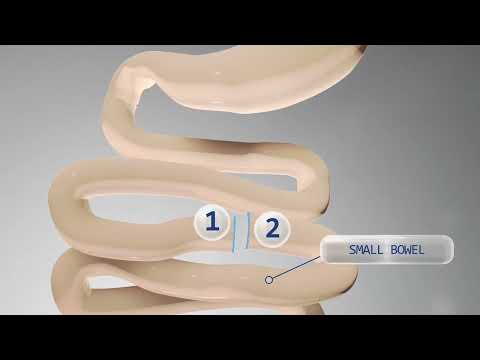
Gastric bypass surgery involves creating a small pouch from the stomach and connecting it directly to the small intestine, bypassing a portion of the digestive system. This results in significant weight loss by reducing the amount of food you can eat and the calories your body absorbs. Understanding the procedure and the recovery process is crucial. Recovery typically involves a hospital stay of three to five days, followed by several weeks of gradual return to normal activities. It’s important to follow your surgeon’s advice and attend all follow-up appointments to ensure a smooth recovery.
Post-Surgery Support and Lifestyle Changes
The journey to successful weight loss extends beyond the surgery itself. Long-term success requires commitment to lifestyle changes and continuous support.
Nutritional Guidance and Diet
After gastric bypass surgery, your diet will undergo significant changes. Most clinics in Turkey provide nutritional guidance to help you adapt to your new eating habits. Initially, your diet will consist of liquids and pureed foods before gradually reintroducing solid foods. Portion control and balanced nutrition are essential to avoid complications and ensure your body gets the nutrients it needs.
Physical Activity and Exercise
Incorporating regular exercise into your routine is vital for maintaining weight loss and enhancing overall health. Start with light activities, such as walking, and gradually increase the intensity as your body heals. Many clinics offer access to fitness experts who can help design a personalized exercise plan tailored to your needs and capabilities.
Psychological Support
Undergoing weight loss surgery is both a physical and emotional journey. Psychological support can be incredibly beneficial in helping you cope with the changes and challenges that come with significant weight loss. This support can include counseling, support groups, and access to mental health professionals who specialize in bariatric care.
Conclusion
Gastric bypass surgery in Turkey offers a promising solution for those battling obesity, combining affordability with high-quality medical care. With experienced surgeons, comprehensive support, and state-of-the-art facilities, Turkey provides an excellent environment for successful weight loss surgery. By thoroughly researching your options, preparing adequately for the procedure, and committing to necessary lifestyle changes, you can achieve long-term success on your weight loss journey in Turkey.











FQ About Gastric Balloon Clinic in Antalya / Turkey
The primary difference between mini gastric bypass surgery and a full gastric bypass is that the mini version of the surgery is performed in a modified manner that involves less intestinal rerouting and a shorter overall surgery time.
Scarless gastric sleeve surgery has gained popularity among patients seeking a minimally invasive option with little to no visible scarring. Turkey has become a top destination for this advanced technique, where surgeons use modern laparoscopic tools to perform the surgery through a single small incision, often hidden in the navel. Reviews from patients who underwent the procedure in Turkey are overwhelmingly positive. They praise the expertise of Turkish surgeons and the cutting-edge technology used in clinics... +More
After around 7 to 8 weeks you should be able to resume a normal solid food diet. Your gastric sleeve will allow you to eat almost any type or texture of food. You should aim for three well balanced meals each day. Your calorie intake should be between 1000 and 1200kcal per-day. Bariatric Surgery Turkey Price For more details in our article, Will I ever eat normal again after gastric sleeve in Antalya where you will find all the information about Will I ever eat normal again after gastric sleeve in Antalya please... +More
The decision between sleeve gastrectomy and gastric bypass depends on a patients health and weight-loss goals. The sleeve is simpler and involves fewer complications but may result in less An inflamed stomach, or gastritis, is caused by irritation or damage to the stomach lining. It can be acute or chronic and may result from infections, excessive alcohol consumption, or prolonged use of NSAIDs. Symptoms include pain, nausea, and bloating, and treatment involves dietary changes, medication, and avoiding irritants... +More
The death rate for gastric sleeve surgery in Antalya is extremely low, with rates similar to those in Western countries. With advancements in laparoscopic surgery and highly trained bariatric surgeons, the mortality rate is estimated to be less than 0.1%. Most complications are manageable and arise from issues such as leaks or infections.
Turkey Antalya Sleeve gastrectomy - from $2500 Bariatric Surgery Turkey Price For more details in our article, How much is gastric sleeve in Turkey where you will find all the information about How much is gastric sleeve in Turkey please contact us. How much is gastric sleeve in Turkey Turkey Antalya Sleeve gastrectomy - from $2500 Bariatric Surgery Turkey Price
Everyone knows Istanbul but really famous city is Antalya ! Yes ! It is Antalya! Because Antalya is the Best Holiday Center in Turkey ! Please search Antalya at Google :) We are in Antalya ... Antalya means = Sun + Sea + Travel + Holiday + Turkey + New Friends a lot ..... Antalya has been famous for plastic surgery aesthetic and cosmetic treatments throughout the globe for many years.
A gastroenterologist is a specialist in diagnosing and treating diseases of the gastrointestinal tract, including the stomach, intestines, liver, pancreas, and gallbladder. Common conditions treated include IBS, Crohn's disease, and gastritis. They play a critical role in the care of patients post-bariatric surgery, helping manage complications and ensuring proper digestion.
Abdominal cancer refers to any malignant tumor in the abdomen, including stomach, liver, pancreatic, or colon cancer. Symptoms vary but may include unexplained weight loss, abdominal pain, and changes in bowel habits. Early detection is crucial for successful treatment, which may involve surgery, chemotherapy, or radiation.
Full Body Lift Cost in TurkeyExcessive weight loss often leaves a patient with stubborn fat pockets and extra, saggy skin. Even with extreme diet, exercise, or surgery, a patient can never fully get rid of these unwanted flaps of skin. This can cause self-esteem and confidence issues among patients. In such cases, plastic surgery is the only way to achieve a fully sculpted and smoother body. Body lift is one such cosmetic procedure that helps patients to get into their desired body shape. A body lift... +More
A bowel doctor, another term for a gastroenterologist, focuses on the intestines and related organs. Patients may seek care from a bowel doctor for conditions like Crohn's disease, ulcerative colitis, diverticulitis, or bowel cancer. They also manage complications that arise in the bowel following surgeries like the Roux-en-Y gastric bypass or gastric sleeve.
Pages
5 Years of Helping 15,000+ People Change Their Lives

-

 £ 1580£ 1450GASTRIC BALLOON PROCEDURE PACKAGE
Give a call to learn more about what’s included and to come up with a tailored plan if you need unique accommodations that are not listed below.
- Airport
- Hotel
- Hospital transfer
- The balloon is placed via endoscopy, the procedure takes 15-20 minutes and you are discharged after 2-3 hours. It is enough to stay here for 1 night.
- Blood samples & x-rays
- 5 year follow up

-
 £ 2750£ 2550GASTRIC SLEEVE PACKAGE
GASTRIC SLEEVE PACKAGE COST TURKEY / ANTALYA
Give a call to learn more about what’s included and to come up with a tailored plan if you need unique accommodations that are not listed below.- Airport
- Hotel
- Hospital transfer
- 4 day stay at hospital
- Blood samples & x-rays
- 5 year follow up
-
 £ 3100£ 2900MINI GASTRIC BYPASS PACKAGE
MINI GASTRIC BYPASS PACKAGE TURKEY
Give a call to learn more about what’s included and to come up with a tailored plan if you need unique accommodations that are not listed below.- Airport
- Hotel
- Hospital transfer
- 4 day stay at hospital
- Blood samples & x-rays
- 5 year follow up