
Reviews of Harry's Allurion program | Bridge Health Travel


Calculate Your Cost / Price


Gastric bypass surgery has become a widely sought-after solution for individuals struggling with severe obesity. Turkey has positioned itself as a leading destination for this life-changing procedure, offering top-notch medical care, experienced surgeons, and cost-effective treatment options. In this article, we’ll explore the many advantages of undergoing gastric bypass surgery in Turkey and provide essential insights for prospective patients.
Why Consider Gastric Bypass Surgery in Turkey?
Turkey’s growing reputation as a hub for medical tourism is well-deserved, particularly for procedures like gastric bypass surgery. Here are some compelling reasons to consider Turkey for your weight loss journey:
Cost-Effective Surgery with Exceptional Quality
One of the most significant advantages of choosing Turkey for gastric bypass surgery is the cost savings. In Western countries, the procedure can be prohibitively expensive, often costing upwards of $20,000. In contrast, Turkey offers the same surgery for a fraction of the price, typically ranging between $5,000 and $10,000. This affordability does not come at the expense of quality. Turkish hospitals are equipped with modern facilities, and many are internationally accredited, ensuring high standards of care.
Experienced Surgeons and Comprehensive Care
Turkey boasts a wealth of highly qualified and experienced bariatric surgeons who have trained internationally. These professionals are dedicated to providing personalized care, from the initial consultation through to post-operative support. Patients can expect a comprehensive treatment package that includes pre-surgery assessments, the procedure itself, post-operative care, and often even accommodation and transportation.
Preparing for Your Gastric Bypass Surgery in Turkey
Proper preparation is crucial for the success of your gastric bypass surgery. Here are key steps to ensure you’re ready:
Research and Choose the Right Clinic
With numerous clinics offering gastric bypass surgery in Turkey, it’s essential to conduct thorough research. Look for clinics with positive patient reviews, international accreditations, and a proven track record of successful surgeries. Many clinics offer packages that include all necessary services, making it easier for international patients to navigate the process.
Understand the Procedure and Recovery
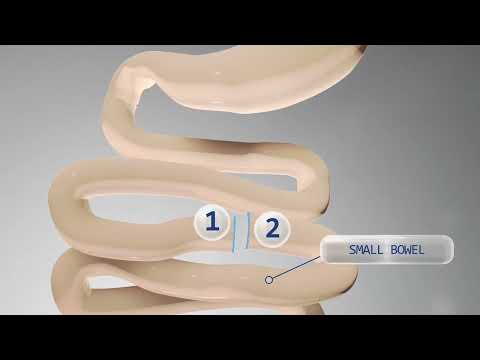
Gastric bypass surgery involves creating a small pouch from the stomach and connecting it directly to the small intestine, bypassing a portion of the digestive system. This results in significant weight loss by reducing the amount of food you can eat and the calories your body absorbs. Understanding the procedure and the recovery process is crucial. Recovery typically involves a hospital stay of three to five days, followed by several weeks of gradual return to normal activities. It’s important to follow your surgeon’s advice and attend all follow-up appointments to ensure a smooth recovery.
Post-Surgery Support and Lifestyle Changes
The journey to successful weight loss extends beyond the surgery itself. Long-term success requires commitment to lifestyle changes and continuous support.
Nutritional Guidance and Diet
After gastric bypass surgery, your diet will undergo significant changes. Most clinics in Turkey provide nutritional guidance to help you adapt to your new eating habits. Initially, your diet will consist of liquids and pureed foods before gradually reintroducing solid foods. Portion control and balanced nutrition are essential to avoid complications and ensure your body gets the nutrients it needs.
Physical Activity and Exercise
Incorporating regular exercise into your routine is vital for maintaining weight loss and enhancing overall health. Start with light activities, such as walking, and gradually increase the intensity as your body heals. Many clinics offer access to fitness experts who can help design a personalized exercise plan tailored to your needs and capabilities.
Psychological Support
Undergoing weight loss surgery is both a physical and emotional journey. Psychological support can be incredibly beneficial in helping you cope with the changes and challenges that come with significant weight loss. This support can include counseling, support groups, and access to mental health professionals who specialize in bariatric care.
Conclusion
Gastric bypass surgery in Turkey offers a promising solution for those battling obesity, combining affordability with high-quality medical care. With experienced surgeons, comprehensive support, and state-of-the-art facilities, Turkey provides an excellent environment for successful weight loss surgery. By thoroughly researching your options, preparing adequately for the procedure, and committing to necessary lifestyle changes, you can achieve long-term success on your weight loss journey in Turkey.













FQ About Gastric Balloon Clinic in Antalya / Turkey
Bariatric surgery refers to procedures that help with weight loss by altering the digestive system. This includes operations like gastric bypass, sleeve gastrectomy, and adjustable gastric banding. Bariatric surgery is often recommended for individuals with a BMI over 40 or a BMI over 35 with obesity-related health conditions.
When comparing lap band and gastric bypass, the key difference lies in their mechanisms. The lap band restricts food intake by placing an adjustable band around the stomach, while gastric bypass both restricts food intake and alters digestion by rerouting part of the intestines. Gastric bypass typically leads to more rapid and significant weight loss but carries a higher risk of complications.
Pregnancy after weight-loss surgery is generally safe, but its recommended to wait at least 12-18 months after bariatric surgery before trying to conceive. This waiting period allows the body to stabilize and ensures proper nutrition for both the mother and baby. Women should work closely with their doctors to monitor their nutritional intake and ensure they are getting adequate vitamins and minerals during pregnancy.
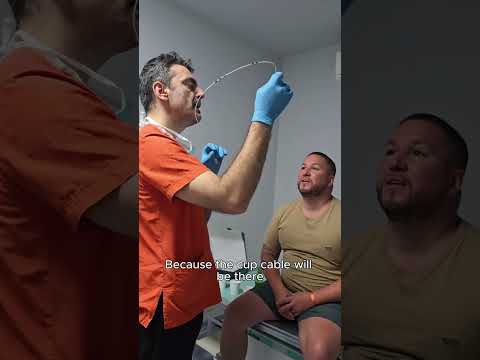
What should I do for gastric balloon treatment in Turkey?Which hospital is best for gastric balloon in Turkey? How to prepare for gastric balloon?Before insertion of the gastric balloon, you must fast from food and drinks for 12 hours. When the gastric balloon is to be removed, you must start on a fluid-only diet 48 hours beforehand. This means no solid food at all.How do you qualify for gastric balloon?Patients may be eligible for a gastric balloon if they have a BMI between 30 and 40, and they haven't... +More
You should stay in Turkey for 7-8 days during your first recovery stage. Gastric sleeve is minimally invasive, yes. But you need to give your body some time to heal before traveling Bariatric Surgery Turkey Price For more details in our article, Who is eligible for gastric sleeve in Istanbul where you will find all the information about Who is eligible for gastric sleeve in Istanbul please contact us. Who is eligible for gastric sleeve in Istanbul You should stay in Turkey for 7-8 days during your first recovery... +More
Wegovy (semaglutide) is a medication that helps with weight loss by mimicking a hormone that regulates appetite. It is prescribed to individuals with obesity or those with weight-related health problems. In the UK, Wegovy has been approved for NHS use for patients who meet certain criteria, providing a non-surgical option for those seeking medical weight-loss assistance.
Metastatic gastric cancer occurs when stomach cancer spreads to other parts of the body, such as the liver, lungs, or lymph nodes. Treatment for metastatic gastric cancer often involves a combination of chemotherapy, radiation, and targeted therapies, as surgery is typically not an option for advanced-stage cancers.
The Orbera gastric balloon is a non-surgical, temporary weight-loss device placed in the stomach to reduce food intake. The balloon is inflated and left in place for six months. During that time, patients follow a strict diet and exercise regimen to lose weight. Its a popular choice for patients who want to avoid invasive surgery.
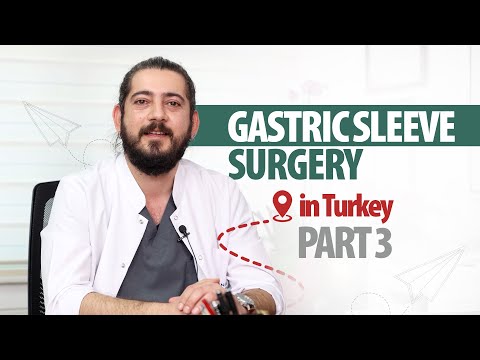
The gastric sleeve surgery in Turkey is typically performed laparoscopically, meaning small incisions are made in the abdomen to insert surgical instruments. The number of incisions usually ranges from 3 to 5, depending on the patient's anatomy and the surgeon's technique. These incisions are small, and patients generally experience minimal scarring.
Mini gastric bypass surgery in Turkey has gained attention for being an effective alternative to traditional gastric bypass. Patients who undergo the procedure in Turkish clinics often report high levels of satisfaction, especially regarding the rapid weight loss and improvement in obesity-related health conditions such as type 2 diabetes. Many reviews highlight the professionalism of Turkish healthcare providers, the modern facilities, and the personalized care packages that often include everything from... +More
Gastritis erythema refers to redness or inflammation of the stomach lining, often seen during endoscopic examinations. It can indicate mild gastritis or early stages of stomach irritation. The cause may be related to infections, medication use, or diet, and treatment typically involves addressing the underlying issue.
Pages
5 Years of Helping 15,000+ People Change Their Lives

-

 £ 1580£ 1450GASTRIC BALLOON PROCEDURE PACKAGE
Give a call to learn more about what’s included and to come up with a tailored plan if you need unique accommodations that are not listed below.
- Airport
- Hotel
- Hospital transfer
- The balloon is placed via endoscopy, the procedure takes 15-20 minutes and you are discharged after 2-3 hours. It is enough to stay here for 1 night.
- Blood samples & x-rays
- 5 year follow up

-
 £ 2750£ 2550GASTRIC SLEEVE PACKAGE
GASTRIC SLEEVE PACKAGE COST TURKEY / ANTALYA
Give a call to learn more about what’s included and to come up with a tailored plan if you need unique accommodations that are not listed below.- Airport
- Hotel
- Hospital transfer
- 4 day stay at hospital
- Blood samples & x-rays
- 5 year follow up
-
 £ 3100£ 2900MINI GASTRIC BYPASS PACKAGE
MINI GASTRIC BYPASS PACKAGE TURKEY
Give a call to learn more about what’s included and to come up with a tailored plan if you need unique accommodations that are not listed below.- Airport
- Hotel
- Hospital transfer
- 4 day stay at hospital
- Blood samples & x-rays
- 5 year follow up