Our Hospital is the best for all your medical needs


Calculate Your Cost / Price


Post-Bariatric Plastic Surgery: A Comprehensive Guide in Antalya / Turkey
Bariatric surgery, including procedures like gastric bypass, sleeve gastrectomy, and adjustable gastric banding, has become a popular and effective solution for individuals suffering from morbid obesity. These procedures are designed to aid significant weight loss by altering the digestive system to limit food intake and absorption. However, while bariatric surgery can lead to substantial weight loss and improvement in comorbid conditions like diabetes, hypertension, and sleep apnea, it often leaves behind excess skin and tissue that do not conform to the body's new shape. This is where post-bariatric plastic surgery, also known as body contouring surgery, plays a crucial role.
What is Post-Bariatric Plastic Surgery?
Post-bariatric plastic surgery refers to a variety of surgical procedures aimed at removing excess skin and reshaping the body after significant weight loss. It addresses the redundant skin and tissue that remains after the body has shed a large amount of fat, typically due to bariatric surgery or other significant weight loss efforts. This excess skin can cause discomfort, hygiene issues, and psychological distress, impacting a person’s quality of life even after achieving their weight loss goals.
Common Areas of Concern
After substantial weight loss, different parts of the body can be affected by loose, sagging skin. The most common areas addressed by post-bariatric plastic surgery include:
- Abdomen: A large amount of excess skin can form around the abdomen, commonly referred to as an "apron" or "pannus." This can lead to difficulties in mobility and hygiene, as well as cause skin irritation and infections.
- Arms: Known as "bat wings," the upper arms can develop loose skin that hangs down, which can be both a cosmetic concern and a physical inconvenience.
- Thighs: Excess skin in the thigh area can lead to chafing and discomfort during physical activities.
- Breasts: Significant weight loss can result in loss of volume and sagging of the breasts in both men and women, leading to a desire for breast lift or reduction procedures.
- Face and Neck: Facial volume loss and neck sagging are also common after massive weight loss, leading to procedures like face and neck lifts.




FQ About Gastric Balloon Clinic in Antalya / Turkey
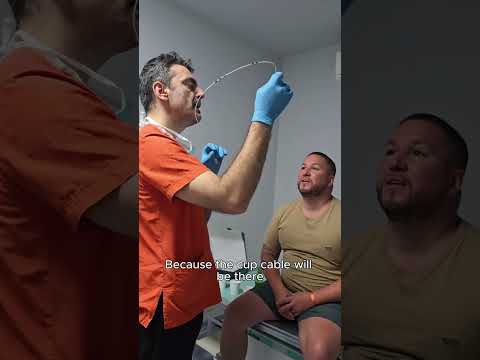
The Allurion gastric balloon is a popular, non-invasive weight loss solution that does not require surgery. Reviews of the Allurion balloon are generally positive, with patients reporting moderate weight loss and fewer side effects compared to other bariatric procedures. However, some patients have expressed concerns about the temporary nature of the solution and the need for ongoing lifestyle changes to maintain results.
Liposuction is particularly effective at removing fat in the legs, abdomen, back, arms, face, and neck. It provides more dramatic results than other noninvasive fat reduction procedures, however, it has a longer recovery period (up to six weeks) and typically costs more than its nonsurgical counterparts. Bariatric Surgery Turkey Price For more details in our article, What is the best surgery to remove belly fat in Istanbul where you will find all the information about What is the best surgery to remove belly fat... +More
Can I get Finance for Gastric Sleeve Surgery in Turkey? A special payment package has been created for you for gastric sleeve surgery in Turkey. You cannot pay for this process in installments. Payment is made in advance. Bariatric Surgery Turkey Price For more details in our article, Can you finance a gastric sleeve where you will find all the information about Can you finance a gastric sleeve please contact us. Can you finance a gastric sleeve Can I get Finance for Gastric Sleeve Surgery in Turkey? A special... +More
A bariatric surgeon specializes in performing weight-loss surgeries like gastric bypass, sleeve gastrectomy, and gastric banding. These surgeons are trained in both traditional open surgery and minimally invasive techniques such as laparoscopy. They also provide guidance on pre- and post-operative care to ensure the success of the weight-loss procedure and minimize complications.
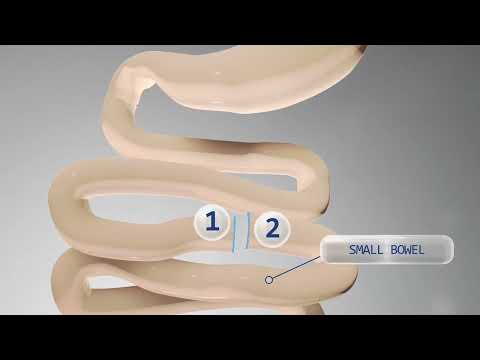
Sleeve gastrectomy is a weight-loss surgery that involves removing a large portion of the stomach, leaving a tube-like sleeve. This limits food intake and promotes hormonal changes that support weight loss. Its a permanent procedure and is one of the most commonly performed bariatric surgeries worldwide.
The gastric sleeve operation may be a reasonable option for patients with lower starting body mass index (BMI 30-34.9, generally 50-75 pounds over ideal weight) who have been unable to lose weight and maintain weight loss using nonoperative methods. Bariatric Surgery Turkey Price For more details in our article, Can I get VSG with a BMI of 32 in Istanbul where you will find all the information about Can I get VSG with a BMI of 32 in Istanbul please contact us. Can I get VSG with a BMI of 32 in Istanbul The... +More
A non-surgical sleeve refers to procedures that mimic the effects of sleeve gastrectomy but without surgery. One such method is the Endoscopic Sleeve Gastroplasty (ESG), which reduces stomach size using sutures inserted through an endoscope. This approach is less invasive, has a faster recovery time, and is typically used for patients who do not qualify for surgical interventions.
A gastro appointment is a consultation with a gastroenterologist. During this visit, the doctor assesses symptoms like stomach pain, acid reflux, or changes in bowel habits. The appointment might involve a physical exam, blood tests, or diagnostic procedures like an endoscopy or colonoscopy to identify the issue.
Longer term risks and complications of gastric bypass can include: Bowel obstruction. Dumping syndrome, causing diarrhea, nausea or vomiting
In Turkey, abdominal surgeries that might require a hospital stay of 10 days include more invasive procedures like colon surgeries, cancer resections, or major hernia repairs. Extended hospital stays are often recommended to ensure proper healing and to monitor for any postoperative complications such as infections or digestive issues.
Revisional bariatric surgery, which is performed when a previous weight-loss surgery has not achieved the desired results or has led to complications, is a specialized procedure offered by many Turkish clinics. Patients who have traveled to Turkey for revisional bariatric surgery often express relief and satisfaction with the outcome. Reviews indicate that Turkeys experienced surgeons are highly skilled in handling complex cases, ensuring patients receive the best possible care. Patients frequently mention the... +More
Pages
5 Years of Helping 15,000+ People Change Their Lives

-

 £ 1580£ 1450GASTRIC BALLOON PROCEDURE PACKAGE
Give a call to learn more about what’s included and to come up with a tailored plan if you need unique accommodations that are not listed below.
- Airport
- Hotel
- Hospital transfer
- The balloon is placed via endoscopy, the procedure takes 15-20 minutes and you are discharged after 2-3 hours. It is enough to stay here for 1 night.
- Blood samples & x-rays
- 5 year follow up

-
 £ 2750£ 2550GASTRIC SLEEVE PACKAGE
GASTRIC SLEEVE PACKAGE COST TURKEY / ANTALYA
Give a call to learn more about what’s included and to come up with a tailored plan if you need unique accommodations that are not listed below.- Airport
- Hotel
- Hospital transfer
- 4 day stay at hospital
- Blood samples & x-rays
- 5 year follow up
-
 £ 3100£ 2900MINI GASTRIC BYPASS PACKAGE
MINI GASTRIC BYPASS PACKAGE TURKEY
Give a call to learn more about what’s included and to come up with a tailored plan if you need unique accommodations that are not listed below.- Airport
- Hotel
- Hospital transfer
- 4 day stay at hospital
- Blood samples & x-rays
- 5 year follow up