Our Hospital is the best for all your medical needs


Calculate Your Cost / Price


Post-Bariatric Plastic Surgery: A Comprehensive Guide in Antalya / Turkey
Bariatric surgery, including procedures like gastric bypass, sleeve gastrectomy, and adjustable gastric banding, has become a popular and effective solution for individuals suffering from morbid obesity. These procedures are designed to aid significant weight loss by altering the digestive system to limit food intake and absorption. However, while bariatric surgery can lead to substantial weight loss and improvement in comorbid conditions like diabetes, hypertension, and sleep apnea, it often leaves behind excess skin and tissue that do not conform to the body's new shape. This is where post-bariatric plastic surgery, also known as body contouring surgery, plays a crucial role.
What is Post-Bariatric Plastic Surgery?
Post-bariatric plastic surgery refers to a variety of surgical procedures aimed at removing excess skin and reshaping the body after significant weight loss. It addresses the redundant skin and tissue that remains after the body has shed a large amount of fat, typically due to bariatric surgery or other significant weight loss efforts. This excess skin can cause discomfort, hygiene issues, and psychological distress, impacting a person’s quality of life even after achieving their weight loss goals.
Common Areas of Concern
After substantial weight loss, different parts of the body can be affected by loose, sagging skin. The most common areas addressed by post-bariatric plastic surgery include:
- Abdomen: A large amount of excess skin can form around the abdomen, commonly referred to as an "apron" or "pannus." This can lead to difficulties in mobility and hygiene, as well as cause skin irritation and infections.
- Arms: Known as "bat wings," the upper arms can develop loose skin that hangs down, which can be both a cosmetic concern and a physical inconvenience.
- Thighs: Excess skin in the thigh area can lead to chafing and discomfort during physical activities.
- Breasts: Significant weight loss can result in loss of volume and sagging of the breasts in both men and women, leading to a desire for breast lift or reduction procedures.
- Face and Neck: Facial volume loss and neck sagging are also common after massive weight loss, leading to procedures like face and neck lifts.








FQ About Gastric Balloon Clinic in Antalya / Turkey
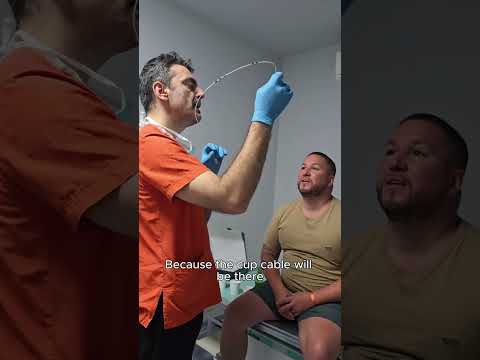
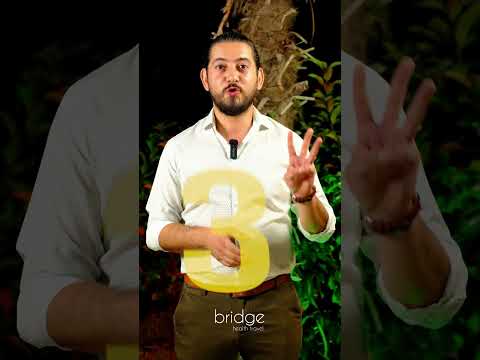
The gastric sleeve surgery in Turkey is typically performed laparoscopically, meaning small incisions are made in the abdomen to insert surgical instruments. The number of incisions usually ranges from 3 to 5, depending on the patient's anatomy and the surgeon's technique. These incisions are small, and patients generally experience minimal scarring.
Gastric surgeries , including gastric sleeve and bypass, are highly sought after due to the countrys reputation for excellence in bariatric care. Turkish surgeons are well-trained, and the hospitals are equipped with modern medical technology, providing a high standard of care at a lower cost compared to the UK or US.
The average Tummy Tuck cost in Turkey is 42oo USD, the minimum Tummy Tuck Cost in Turkey is 1800 USD and the maximum Tummy Tuck Cost in Turkey is 9550 USD, while the average worldwide Tummy Tuck Cost Surgery is around 12,000 USD.
ANTALYA GASTRİC BALLOON 2025 PRİCES, ANTALYA GASTRİC BYPASS 2024 PRİCESGASTRİC BALLOON PRİCES 2025 GASTRİC SLEEVE PRİCE ANTALYA / TURKEY GASTRİC BALLOON PRİCES VARY DEPENDİNG ON THE BALLOON TYPE AND THE HOSPİTAL AND PHYSİCİAN WHO WİLL PERFORM THE PROCEDURE.In some cases, the procedure is performed with light sedation given to the patient. However, this is one of the procedures performed on the condition that it remains in the stomach for a certain period of time. It remains in the stomach for approximately 6... +More, TURKEY'S BEST HOSPİTAL FOR GASTRİC SLEEVE SURGERYANTALYA GASTRİC BALLOON 2025 PRİCES, ANTALYA GASTRİC BYPASS 2024 PRİCESGASTRİC BALLOON PRİCES 2025 GASTRİC SLEEVE PRİCE ANTALYA / TURKEY GASTRİC BALLOON PRİCES VARY DEPENDİNG ON THE BALLOON TYPE AND THE HOSPİTAL AND PHYSİCİAN WHO WİLL PERFORM THE PROCEDURE.Gastric sleeve surgery is a bariatric procedure that involves removing 75-80% of the stomach. This procedure is currently the most commonly performed bariatric surgery worldwide.TURKEY'S BEST HOSPİTAL FOR... +More
Abdomen operations encompass a wide range of surgical procedures performed on organs within the abdominal cavity, including the stomach, intestines, liver, and pancreas. These procedures can treat various conditions such as cancer, hernias, or digestive disorders. Surgical techniques range from traditional open surgery to minimally invasive laparoscopic approaches.
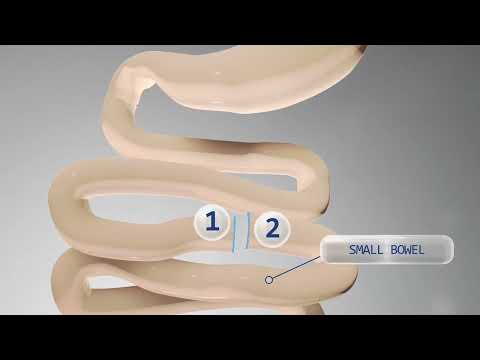
The surgery - The mini gastric bypass is reversible. Instead of 2 new connections in the traditional bypass, only one is needed. This reduces the risk of certain complications, such as a leak. It has a lower risk of internal hernias
A private gastric band surgery offers shorter waiting times compared to the NHS, but it comes at a cost. In the UK, private clinics charge between £1,450 and £8,000 for the surgery, with additional fees for follow-up appointments and band adjustments.
The cost of Roux-en-Y gastric bypass surgery varies based on location, healthcare provider, and whether the patient has insurance coverage. In the U.S., the cost ranges from $20,000 to $30,000, depending on the hospital and specific circumstances. In countries with public healthcare systems, such as the UK or Canada, the surgery may be covered, though waiting times could be long. Many insurance companies in the U.S. cover bariatric surgery if its deemed medically necessary, but patients must meet specific... +More
Lap band surgery, also known as gastric banding, is a type of weight-loss surgery where a band is placed around the upper part of the stomach to create a small pouch. This restricts food intake, leading to weight loss. In the UK, lap band surgery is available through both private healthcare providers and the NHS. The procedure has become less common compared to other forms of bariatric surgery, such as the RNY or sleeve gastrectomy, due to its lower success rates and higher complication risks.
Weight loss pills include prescription medications like Orlistat (which blocks fat absorption) and over-the-counter supplements marketed to boost metabolism or suppress appetite. While some medications are effective when used correctly, they must be combined with lifestyle changes like diet and exercise for long-term success.
Gastric bypass surgery involves creating a small pouch from the stomach and connecting it directly to the small intestine. It significantly reduces food intake and alters digestion, leading to substantial weight loss. This procedure is one of the most common forms of bariatric surgery and is highly effective for long-term weight reduction.
Pages
5 Years of Helping 15,000+ People Change Their Lives

-

 £ 1580£ 1450GASTRIC BALLOON PROCEDURE PACKAGE
Give a call to learn more about what’s included and to come up with a tailored plan if you need unique accommodations that are not listed below.
- Airport
- Hotel
- Hospital transfer
- The balloon is placed via endoscopy, the procedure takes 15-20 minutes and you are discharged after 2-3 hours. It is enough to stay here for 1 night.
- Blood samples & x-rays
- 5 year follow up

-
 £ 2750£ 2550GASTRIC SLEEVE PACKAGE
GASTRIC SLEEVE PACKAGE COST TURKEY / ANTALYA
Give a call to learn more about what’s included and to come up with a tailored plan if you need unique accommodations that are not listed below.- Airport
- Hotel
- Hospital transfer
- 4 day stay at hospital
- Blood samples & x-rays
- 5 year follow up
-
 £ 3100£ 2900MINI GASTRIC BYPASS PACKAGE
MINI GASTRIC BYPASS PACKAGE TURKEY
Give a call to learn more about what’s included and to come up with a tailored plan if you need unique accommodations that are not listed below.- Airport
- Hotel
- Hospital transfer
- 4 day stay at hospital
- Blood samples & x-rays
- 5 year follow up