Our Hospital is the best for all your medical needs


Calculate Your Cost / Price


Post-Bariatric Plastic Surgery: A Comprehensive Guide in Antalya / Turkey
Bariatric surgery, including procedures like gastric bypass, sleeve gastrectomy, and adjustable gastric banding, has become a popular and effective solution for individuals suffering from morbid obesity. These procedures are designed to aid significant weight loss by altering the digestive system to limit food intake and absorption. However, while bariatric surgery can lead to substantial weight loss and improvement in comorbid conditions like diabetes, hypertension, and sleep apnea, it often leaves behind excess skin and tissue that do not conform to the body's new shape. This is where post-bariatric plastic surgery, also known as body contouring surgery, plays a crucial role.
What is Post-Bariatric Plastic Surgery?
Post-bariatric plastic surgery refers to a variety of surgical procedures aimed at removing excess skin and reshaping the body after significant weight loss. It addresses the redundant skin and tissue that remains after the body has shed a large amount of fat, typically due to bariatric surgery or other significant weight loss efforts. This excess skin can cause discomfort, hygiene issues, and psychological distress, impacting a person’s quality of life even after achieving their weight loss goals.
Common Areas of Concern
After substantial weight loss, different parts of the body can be affected by loose, sagging skin. The most common areas addressed by post-bariatric plastic surgery include:
- Abdomen: A large amount of excess skin can form around the abdomen, commonly referred to as an "apron" or "pannus." This can lead to difficulties in mobility and hygiene, as well as cause skin irritation and infections.
- Arms: Known as "bat wings," the upper arms can develop loose skin that hangs down, which can be both a cosmetic concern and a physical inconvenience.
- Thighs: Excess skin in the thigh area can lead to chafing and discomfort during physical activities.
- Breasts: Significant weight loss can result in loss of volume and sagging of the breasts in both men and women, leading to a desire for breast lift or reduction procedures.
- Face and Neck: Facial volume loss and neck sagging are also common after massive weight loss, leading to procedures like face and neck lifts.




FQ About Gastric Balloon Clinic in Antalya / Turkey
Similar to the gastric balloon, the stomach balloon is used for weight loss by physically limiting the stomach's capacity. It is available in the UK both privately and through the NHS in some cases. The balloon is typically left in place for six months, after which it is removed. During this time, patients follow a strict diet to maximize weight loss.
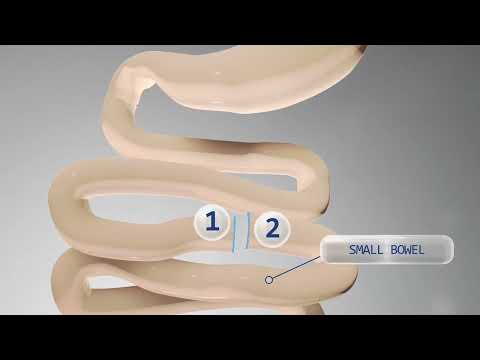
The Roux-en-Y procedure is a type of gastric bypass surgery where the stomach is divided into a small pouch, and part of the small intestine is rerouted to the new pouch. This reduces both food intake and nutrient absorption, leading to significant weight loss and improvements in obesity-related health conditions.
Mini Gastric Bypass Procedure: Also known as Single Anastamosis or Omega Loop gastric bypass. The procedure takes 1 1.5 hours under a general anaesthetic. Clients usually spend two nights in hospital although occasionally clients do go home after one day. Weight loss begins immediately as your metabolism is improved. You'll eat a soft diet between weeks three and four after surgery. During this phase, you'll continue to prioritize protein, but you'll be able to get the nutrient from foods including scrambled... +More
Weight loss surgery Turkey- prices - Turkey is a leader of the affordable weight loss surgery cost, the bariatric surgery cost there is so affordable that even Americans are eager to come to Turkey for the surgery. Weight loss surgery UK or the USA is often over 3 times more expensive than in Turkey. Bariatric Surgery Turkey Price For more details in our article, Which country is best for bariatric surgery in Antalya where you will find all the information about Which country is best for bariatric surgery in... +More
When the stomach is taken out through a procedure like gastrectomy, the patient must adapt to a new lifestyle that involves eating smaller, more frequent meals and relying on supplements for essential nutrients. This surgery is performed to treat conditions like stomach cancer, ulcers, or severe obesity.
Gastric Balloon Antalya Price Whatclinic Reviews in Antalya Gastric Balloon Antalya Price Reviews in Antalya We tried to collect comments for you under the topic title Gastric Balloon Antalya Price Reviews in Antalya The safety of gastric sleeve surgery, or any medical procedure, in Turkey or any other country depends on various factors, including the expertise of the medical professionals, the quality of healthcare facilities, and adherence to safety standards and protocols. While Turkey has gained recognition as... +More
A bowel doctor, another term for a gastroenterologist, focuses on the intestines and related organs. Patients may seek care from a bowel doctor for conditions like Crohn's disease, ulcerative colitis, diverticulitis, or bowel cancer. They also manage complications that arise in the bowel following surgeries like the Roux-en-Y gastric bypass or gastric sleeve.
The sleeve in weight-loss surgery refers to the stomach after a portion has been removed during a sleeve gastrectomy. The remaining part of the stomach is shaped like a narrow tube or sleeve, significantly reducing the amount of food the stomach can hold and aiding in long-term weight loss.
Most American chocolate is highly processed, and rich in vegetable oil, sugar and preservatives. We encourage our bariatric patients to avoid candies, and other sweet items before and after weight loss surgery. The singer-songwriter lost 100 pounds in two years by lifting weights and doing circuit training. "So I do my weights in the morning, then I normally hike or I box in the afternoon, and then I go and do my cardio at night," she said. "I'm an athlete," Adele said Since salads are typically made of raw fruits... +More
While gastric sleeve surgery is highly effective for weight loss, it does come with potential side effects. Common negative side effects include acid reflux, nausea, vomiting, and nutritional deficiencies. In some cases, patients may also experience complications like infections or leaks at the surgical site. Long-term side effects can include food intolerances and an increased risk of gallstones. It's essential to consult with a medical professional to fully understand the risks before undergoing surgery.
Always consume lean protein first, non-starchy vegetables second, and high-fiber carbs or a healthy fat source last. Try to consume at least 64 ounces of hydrating fluids. Avoid added-sugar drinks, carbonation, and excessive caffeine. Consume alcohol in moderation. The altered bowel motility and absorption as a result of weight-loss surgery also can result in more or smellier gas. Noise associated with gas can be from the abdomen (bowel sounds) or with the passage of gas through the anus (or an ostomy). In... +More
Pages
5 Years of Helping 15,000+ People Change Their Lives

-

 £ 1580£ 1450GASTRIC BALLOON PROCEDURE PACKAGE
Give a call to learn more about what’s included and to come up with a tailored plan if you need unique accommodations that are not listed below.
- Airport
- Hotel
- Hospital transfer
- The balloon is placed via endoscopy, the procedure takes 15-20 minutes and you are discharged after 2-3 hours. It is enough to stay here for 1 night.
- Blood samples & x-rays
- 5 year follow up

-
 £ 2750£ 2550GASTRIC SLEEVE PACKAGE
GASTRIC SLEEVE PACKAGE COST TURKEY / ANTALYA
Give a call to learn more about what’s included and to come up with a tailored plan if you need unique accommodations that are not listed below.- Airport
- Hotel
- Hospital transfer
- 4 day stay at hospital
- Blood samples & x-rays
- 5 year follow up
-
 £ 3100£ 2900MINI GASTRIC BYPASS PACKAGE
MINI GASTRIC BYPASS PACKAGE TURKEY
Give a call to learn more about what’s included and to come up with a tailored plan if you need unique accommodations that are not listed below.- Airport
- Hotel
- Hospital transfer
- 4 day stay at hospital
- Blood samples & x-rays
- 5 year follow up