Our Hospital is the best for all your medical needs


Calculate Your Cost / Price


Post-Bariatric Plastic Surgery: A Comprehensive Guide in Antalya / Turkey
Bariatric surgery, including procedures like gastric bypass, sleeve gastrectomy, and adjustable gastric banding, has become a popular and effective solution for individuals suffering from morbid obesity. These procedures are designed to aid significant weight loss by altering the digestive system to limit food intake and absorption. However, while bariatric surgery can lead to substantial weight loss and improvement in comorbid conditions like diabetes, hypertension, and sleep apnea, it often leaves behind excess skin and tissue that do not conform to the body's new shape. This is where post-bariatric plastic surgery, also known as body contouring surgery, plays a crucial role.
What is Post-Bariatric Plastic Surgery?
Post-bariatric plastic surgery refers to a variety of surgical procedures aimed at removing excess skin and reshaping the body after significant weight loss. It addresses the redundant skin and tissue that remains after the body has shed a large amount of fat, typically due to bariatric surgery or other significant weight loss efforts. This excess skin can cause discomfort, hygiene issues, and psychological distress, impacting a person’s quality of life even after achieving their weight loss goals.
Common Areas of Concern
After substantial weight loss, different parts of the body can be affected by loose, sagging skin. The most common areas addressed by post-bariatric plastic surgery include:
- Abdomen: A large amount of excess skin can form around the abdomen, commonly referred to as an "apron" or "pannus." This can lead to difficulties in mobility and hygiene, as well as cause skin irritation and infections.
- Arms: Known as "bat wings," the upper arms can develop loose skin that hangs down, which can be both a cosmetic concern and a physical inconvenience.
- Thighs: Excess skin in the thigh area can lead to chafing and discomfort during physical activities.
- Breasts: Significant weight loss can result in loss of volume and sagging of the breasts in both men and women, leading to a desire for breast lift or reduction procedures.
- Face and Neck: Facial volume loss and neck sagging are also common after massive weight loss, leading to procedures like face and neck lifts.




FQ About Gastric Balloon Clinic in Antalya / Turkey
Unlike some bariatric procedures, the gastric sleeve is considered irreversible because a large portion of the stomach is permanently removed. While Turkey offers various bariatric revision surgeries, reversing a sleeve gastrectomy is not an option. However, other procedures, such as converting a sleeve into a gastric bypass, are available if patients experience complications or insufficient weight loss.
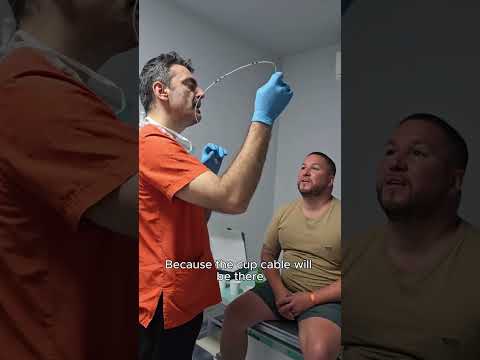
The balloon pill, also known as the gastric balloon, is a non-surgical weight-loss device that is swallowed and then inflated inside the stomach. It takes up space, helping patients feel fuller on less food. The balloon is temporary and is usually left in place for six months before being removed. It is a popular option for people who want a non-invasive weight-loss method without committing to surgery.
The Vertical Sleeve Gastrectomy is the most widely used, and safest, in the bariatric world. As with any major surgery, gastric bypass and other weight-loss surgeries pose potential health risks, both in the short term and long term. Bariatric Surgery Turkey Price For more details in our article, What is the safest bariatric surgery for weight loss in Antalya where you will find all the information about What is the safest bariatric surgery for weight loss in Antalya please contact us. What is the safest... +More
In medical terms, GI stands for Gastrointestinal, referring to the digestive system, which includes the stomach, intestines, and other associated organs. GI disorders encompass a wide range of conditions that affect digestion, including gastritis, irritable bowel syndrome (IBS), and gastrointestinal cancers.
Weight loss before surgery was associated with readmission for abdominal pain and increases in urinary tract and surgical site infections, researchers found. The tradition may also be tied to insurance carriers who require weight loss and counseling before surgical treatment.
A bariatric surgeon specializes in performing weight-loss surgeries like gastric bypass, sleeve gastrectomy, and gastric banding. These surgeons are trained in both traditional open surgery and minimally invasive techniques such as laparoscopy. They also provide guidance on pre- and post-operative care to ensure the success of the weight-loss procedure and minimize complications.
The bariatric diet is essential for patients who have undergone weight-loss surgery. Its designed to provide adequate nutrition while supporting weight loss. The diet includes small, protein-rich meals, limited carbohydrates, and restricted fats and sugars. Lifelong adherence to this diet, along with vitamin supplements, is necessary for maintaining health after bariatric surgery.
The NHS in the UK has started prescribing Wegovy to patients who struggle with obesity and have failed to achieve significant weight loss through diet and exercise. This medication is part of a broader initiative to provide patients with additional tools to combat the obesity epidemic. Wegovy is typically prescribed alongside lifestyle changes to maximize its effectiveness.
After undergoing bariatric surgery, many patients experience some difficulties adjusting to their new lifestyle. This is to be expected. Life after bariatric surgery involves a lot of changes to your diet, your activity level, and your body. This can lead to mood swings, irritability, and even low moods Caffeine can be a stomach irritant, causing discomfort in the abdominal area which can, in turn, complicate early recovery after bariatric surgery. Caffeinated food and drinks can cause weight regain.Foods to Avoid... +More
Always consume lean protein first, non-starchy vegetables second, and high-fiber carbs or a healthy fat source last. Try to consume at least 64 ounces of hydrating fluids. Avoid added-sugar drinks, carbonation, and excessive caffeine. Consume alcohol in moderation. Bread, Rice, and Pasta - Because of the starchy nature of bread, rice, and pasta, after your surgery, they can form a paste in your throat that is hard to swallow without liquid. In some cases, they can block the stoma, the hole to the pouch that is... +More
Fat burning pills aim to increase the body's ability to burn fat by boosting metabolism or energy expenditure. Common ingredients include caffeine, green tea extract, and other thermogenic substances. However, the effectiveness and safety of these supplements can vary, and they should be used cautiously.
Pages
5 Years of Helping 15,000+ People Change Their Lives

-

 £ 1580£ 1450GASTRIC BALLOON PROCEDURE PACKAGE
Give a call to learn more about what’s included and to come up with a tailored plan if you need unique accommodations that are not listed below.
- Airport
- Hotel
- Hospital transfer
- The balloon is placed via endoscopy, the procedure takes 15-20 minutes and you are discharged after 2-3 hours. It is enough to stay here for 1 night.
- Blood samples & x-rays
- 5 year follow up

-
 £ 2750£ 2550GASTRIC SLEEVE PACKAGE
GASTRIC SLEEVE PACKAGE COST TURKEY / ANTALYA
Give a call to learn more about what’s included and to come up with a tailored plan if you need unique accommodations that are not listed below.- Airport
- Hotel
- Hospital transfer
- 4 day stay at hospital
- Blood samples & x-rays
- 5 year follow up
-
 £ 3100£ 2900MINI GASTRIC BYPASS PACKAGE
MINI GASTRIC BYPASS PACKAGE TURKEY
Give a call to learn more about what’s included and to come up with a tailored plan if you need unique accommodations that are not listed below.- Airport
- Hotel
- Hospital transfer
- 4 day stay at hospital
- Blood samples & x-rays
- 5 year follow up