Our Hospital is the best for all your medical needs


Calculate Your Cost / Price


Post-Bariatric Plastic Surgery: A Comprehensive Guide in Antalya / Turkey
Bariatric surgery, including procedures like gastric bypass, sleeve gastrectomy, and adjustable gastric banding, has become a popular and effective solution for individuals suffering from morbid obesity. These procedures are designed to aid significant weight loss by altering the digestive system to limit food intake and absorption. However, while bariatric surgery can lead to substantial weight loss and improvement in comorbid conditions like diabetes, hypertension, and sleep apnea, it often leaves behind excess skin and tissue that do not conform to the body's new shape. This is where post-bariatric plastic surgery, also known as body contouring surgery, plays a crucial role.
What is Post-Bariatric Plastic Surgery?
Post-bariatric plastic surgery refers to a variety of surgical procedures aimed at removing excess skin and reshaping the body after significant weight loss. It addresses the redundant skin and tissue that remains after the body has shed a large amount of fat, typically due to bariatric surgery or other significant weight loss efforts. This excess skin can cause discomfort, hygiene issues, and psychological distress, impacting a person’s quality of life even after achieving their weight loss goals.
Common Areas of Concern
After substantial weight loss, different parts of the body can be affected by loose, sagging skin. The most common areas addressed by post-bariatric plastic surgery include:
- Abdomen: A large amount of excess skin can form around the abdomen, commonly referred to as an "apron" or "pannus." This can lead to difficulties in mobility and hygiene, as well as cause skin irritation and infections.
- Arms: Known as "bat wings," the upper arms can develop loose skin that hangs down, which can be both a cosmetic concern and a physical inconvenience.
- Thighs: Excess skin in the thigh area can lead to chafing and discomfort during physical activities.
- Breasts: Significant weight loss can result in loss of volume and sagging of the breasts in both men and women, leading to a desire for breast lift or reduction procedures.
- Face and Neck: Facial volume loss and neck sagging are also common after massive weight loss, leading to procedures like face and neck lifts.







FQ About Gastric Balloon Clinic in Antalya / Turkey
The lap band and sleeve gastrectomy are two different bariatric surgeries. The lap band is adjustable and reversible, involving the placement of a band around the upper stomach. The sleeve, on the other hand, is permanent and involves the removal of part of the stomach. Sleeve gastrectomy tends to offer more substantial long-term weight loss, but the lap band has fewer immediate risks.
Can you fly after gastric sleeve surgery? There is no reason why you should not fly as normal with a gastric sleeve. We do not recommend that sleeve patients fly short haul (e.g. Europe) within 7 days of their surgery and that they wait 21 days before flying medium to long haul. Always consume lean protein first, non-starchy vegetables second, and high-fiber carbs or a healthy fat source last. Try to consume at least 64 ounces of hydrating fluids. Avoid added-sugar drinks, carbonation, and excessive caffeine.... +More
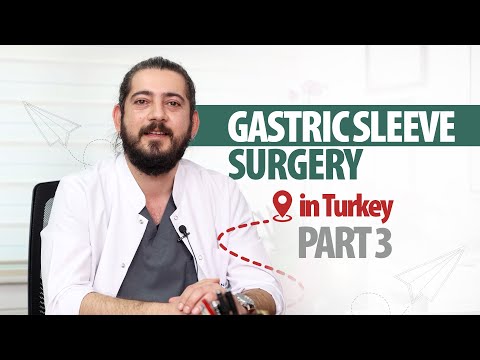
The gastric sleeve or Vertical Sleeve Gastrectomy (VSG) involves the removal of a large portion of the stomach, leaving a sleeve-shaped stomach. This surgery is purely restrictive, meaning it reduces the stomachs size to limit food intake. Its highly effective for weight loss and requires fewer alterations to the digestive system than the gastric bypass.
Gastric sleeve results are typically impressive, with patients losing 50-60% of their excess body weight within the first year. The surgery also leads to improvements in obesity-related conditions like diabetes, hypertension, and sleep apnea. Long-term success depends on the patients ability to maintain a healthy lifestyle post-surgery.
You'll likely not be able to have surgery if you have these conditions: Blood-clotting disorders. Severe heart disease that prohibits the safe use of anesthesia. Other conditions that increase the risk of using anesthesia. Bariatric Surgery Turkey Price For more details in our article, Who shouldn't get bariatric surgery in Istanbul where you will find all the information about Who shouldn't get bariatric surgery in Istanbul please contact us. Who shouldn't get bariatric surgery in Istanbul You'll likely not be... +More
The Gastric Bypass carries more risk but has more rewards for patients who need to lose 150 plus pounds, whereas the Gastric Sleeve surgery has a lower complication rate but also the patients who have success typically need to lose 100 or fewer pounds with the gastric sleeve.
Over the first three months, patients can expect to lose about 33 percent of their excess weight. Six months post-surgery, patients can anticipate shedding half their extra weight. Guava. Guava is one of the most protein-rich fruits around. You'll get a whopping 4.2 grams of the stuff in every cup. This tropical fruit is also high in vitamin C and fiber After undergoing bariatric surgery, many patients experience some difficulties adjusting to their new lifestyle. This is to be expected. Life after bariatric... +More
Similar to stomach stapling, gastric stapling is a weight-loss surgery where staples are used to partition the stomach. The procedure has largely been replaced by more advanced surgeries like the gastric sleeve and Roux-en-Y bypass, which offer better long-term results and fewer complications.
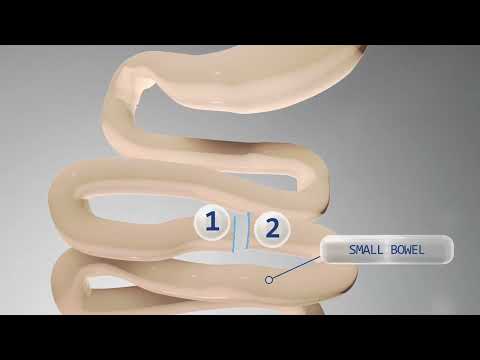
RNY (Roux-en-Y) gastric bypass and the gastric sleeve (sleeve gastrectomy) are two of the most common bariatric surgeries. While both procedures restrict the stomachs size, the RNY bypass also reroutes part of the small intestine, reducing calorie absorption. The sleeve removes a large portion of the stomach without altering the intestines. The choice between the two depends on the patients health, goals, and surgeon recommendations.
Weight-loss injections such as Saxenda or Wegovy can lead to side effects like nausea, vomiting, diarrhea, constipation, and abdominal pain. In rare cases, patients may experience gallbladder issues or pancreatitis. Its important to monitor for side effects and adjust dosage as needed under medical supervision.
In the UK, gastroenterology is a well-established medical field. The NHS provides access to gastroenterologists through referrals, though wait times can be significant depending on the region. Private gastroenterology services are available for those seeking faster treatment. The role of a gastroenterologist in the UK is crucial for managing digestive disorders and bariatric surgery outcomes, as well as performing diagnostic and therapeutic procedures such as endoscopies and colonoscopies.
Pages
5 Years of Helping 15,000+ People Change Their Lives

-

 £ 1580£ 1450GASTRIC BALLOON PROCEDURE PACKAGE
Give a call to learn more about what’s included and to come up with a tailored plan if you need unique accommodations that are not listed below.
- Airport
- Hotel
- Hospital transfer
- The balloon is placed via endoscopy, the procedure takes 15-20 minutes and you are discharged after 2-3 hours. It is enough to stay here for 1 night.
- Blood samples & x-rays
- 5 year follow up

-
 £ 2750£ 2550GASTRIC SLEEVE PACKAGE
GASTRIC SLEEVE PACKAGE COST TURKEY / ANTALYA
Give a call to learn more about what’s included and to come up with a tailored plan if you need unique accommodations that are not listed below.- Airport
- Hotel
- Hospital transfer
- 4 day stay at hospital
- Blood samples & x-rays
- 5 year follow up
-
 £ 3100£ 2900MINI GASTRIC BYPASS PACKAGE
MINI GASTRIC BYPASS PACKAGE TURKEY
Give a call to learn more about what’s included and to come up with a tailored plan if you need unique accommodations that are not listed below.- Airport
- Hotel
- Hospital transfer
- 4 day stay at hospital
- Blood samples & x-rays
- 5 year follow up