Our Hospital is the best for all your medical needs


Calculate Your Cost / Price


Post-Bariatric Plastic Surgery: A Comprehensive Guide in Antalya / Turkey
Bariatric surgery, including procedures like gastric bypass, sleeve gastrectomy, and adjustable gastric banding, has become a popular and effective solution for individuals suffering from morbid obesity. These procedures are designed to aid significant weight loss by altering the digestive system to limit food intake and absorption. However, while bariatric surgery can lead to substantial weight loss and improvement in comorbid conditions like diabetes, hypertension, and sleep apnea, it often leaves behind excess skin and tissue that do not conform to the body's new shape. This is where post-bariatric plastic surgery, also known as body contouring surgery, plays a crucial role.
What is Post-Bariatric Plastic Surgery?
Post-bariatric plastic surgery refers to a variety of surgical procedures aimed at removing excess skin and reshaping the body after significant weight loss. It addresses the redundant skin and tissue that remains after the body has shed a large amount of fat, typically due to bariatric surgery or other significant weight loss efforts. This excess skin can cause discomfort, hygiene issues, and psychological distress, impacting a person’s quality of life even after achieving their weight loss goals.
Common Areas of Concern
After substantial weight loss, different parts of the body can be affected by loose, sagging skin. The most common areas addressed by post-bariatric plastic surgery include:
- Abdomen: A large amount of excess skin can form around the abdomen, commonly referred to as an "apron" or "pannus." This can lead to difficulties in mobility and hygiene, as well as cause skin irritation and infections.
- Arms: Known as "bat wings," the upper arms can develop loose skin that hangs down, which can be both a cosmetic concern and a physical inconvenience.
- Thighs: Excess skin in the thigh area can lead to chafing and discomfort during physical activities.
- Breasts: Significant weight loss can result in loss of volume and sagging of the breasts in both men and women, leading to a desire for breast lift or reduction procedures.
- Face and Neck: Facial volume loss and neck sagging are also common after massive weight loss, leading to procedures like face and neck lifts.






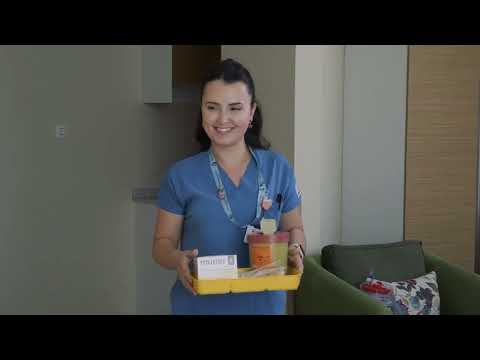
FQ About Gastric Balloon Clinic in Antalya / Turkey
Endoscopic Sleeve Gastroplasty (ESG) is a non-surgical weight-loss procedure where a gastroenterologist uses an endoscope to stitch the stomach into a smaller size, reducing its capacity. Unlike traditional bariatric surgery, ESG is performed through the mouth and doesnt involve cutting or removing any part of the stomach. Recovery is quicker, and the procedure is reversible, but the weight loss achieved is typically less significant than with RNY or gastric sleeve surgery.
Feeling sick in your stomach can indicate nausea, indigestion, or an underlying condition such as gastritis, food intolerance, or stress. If persistent, its essential to consult a healthcare provider for proper diagnosis and treatment.
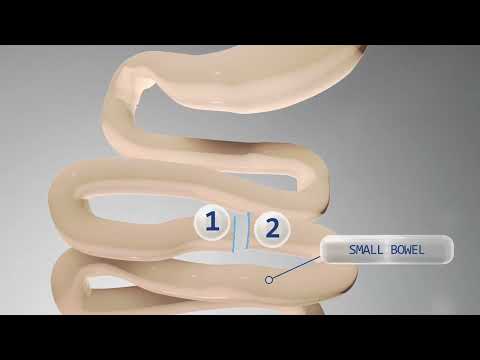
The Roux-en-Y gastric bypass is a common bariatric surgery where the stomach is divided into a small upper pouch and a larger lower portion. The small intestine is then rearranged to connect with the new stomach pouch. This procedure reduces food intake and limits calorie absorption, making it highly effective for weight loss.
Tummy illness refers to a range of conditions affecting the stomach, including gastroenteritis, ulcers, acid reflux, and food intolerances. Symptoms can include nausea, bloating, and abdominal pain. In cases of chronic or severe symptoms, consulting a gastroenterologist is essential for diagnosis and treatment.
Non-surgical gastric sleeve alternatives, like Endoscopic Sleeve Gastroplasty (ESG), are gaining popularity in Antalya. ESG is a minimally invasive procedure where a doctor uses an endoscope to place sutures in the stomach, reducing its size without surgery. This procedure has a quicker recovery time and fewer risks compared to traditional surgery, making it an attractive option for those unable to undergo more invasive procedures.
Before undergoing bariatric surgery like RNY, patients are required to follow a pre-op diet to reduce liver size and fat around the stomach. This makes the surgery safer and easier for the surgeon to perform. The pre-op diet typically consists of high-protein, low-carbohydrate shakes, and liquids for 1-2 weeks before surgery. Its an important step in preparing the body for surgery and ensuring optimal recovery post-op.
A mini gastric bypass is a simpler version of the traditional RNY gastric bypass. It involves creating a small stomach pouch and bypassing a section of the small intestine. This procedure is less invasive and typically quicker to perform, with fewer complications. It offers similar weight-loss results to the traditional bypass but may result in higher rates of bile reflux. It is becoming a popular choice for those looking for effective weight-loss surgery with a shorter recovery time.
Weight loss surgery in Turkey has become increasingly popular due to its affordable pricing and high-quality medical care. Patients from around the world travel to Turkey for bariatric procedures like gastric bypass, sleeve gastrectomy, and lap band surgery, which are often less expensive than in the US or UK but performed by skilled surgeons in modern facilities.
Revisional bariatric surgery, which is performed when a previous weight-loss surgery has not achieved the desired results or has led to complications, is a specialized procedure offered by many Turkish clinics. Patients who have traveled to Turkey for revisional bariatric surgery often express relief and satisfaction with the outcome. Reviews indicate that Turkeys experienced surgeons are highly skilled in handling complex cases, ensuring patients receive the best possible care. Patients frequently mention the... +More
Can you eat normally after mini gastric bypass? - Diet details --> You can usually start eating regular foods about three months after surgery. At each stage of the gastric bypass diet, you must be careful to: Drink 64 ounces of fluid a day, to avoid dehydration. Sip liquids between meals, not with meals.
Always consume lean protein first, non-starchy vegetables second, and high-fiber carbs or a healthy fat source last. Try to consume at least 64 ounces of hydrating fluids. Avoid added-sugar drinks, carbonation, and excessive caffeine. Consume alcohol in moderation. Bread, Rice, and Pasta - Because of the starchy nature of bread, rice, and pasta, after your surgery, they can form a paste in your throat that is hard to swallow without liquid. In some cases, they can block the stoma, the hole to the pouch that is... +More
Pages
5 Years of Helping 15,000+ People Change Their Lives

-

 £ 1580£ 1450GASTRIC BALLOON PROCEDURE PACKAGE
Give a call to learn more about what’s included and to come up with a tailored plan if you need unique accommodations that are not listed below.
- Airport
- Hotel
- Hospital transfer
- The balloon is placed via endoscopy, the procedure takes 15-20 minutes and you are discharged after 2-3 hours. It is enough to stay here for 1 night.
- Blood samples & x-rays
- 5 year follow up

-
 £ 2750£ 2550GASTRIC SLEEVE PACKAGE
GASTRIC SLEEVE PACKAGE COST TURKEY / ANTALYA
Give a call to learn more about what’s included and to come up with a tailored plan if you need unique accommodations that are not listed below.- Airport
- Hotel
- Hospital transfer
- 4 day stay at hospital
- Blood samples & x-rays
- 5 year follow up
-
 £ 3100£ 2900MINI GASTRIC BYPASS PACKAGE
MINI GASTRIC BYPASS PACKAGE TURKEY
Give a call to learn more about what’s included and to come up with a tailored plan if you need unique accommodations that are not listed below.- Airport
- Hotel
- Hospital transfer
- 4 day stay at hospital
- Blood samples & x-rays
- 5 year follow up