
Discover the Benefits of Gastric Bypass Surgery in Turkey


Calculate Your Cost / Price


Turkish hospitals are equipped with modern facilities, and many are internationally accredited, ensuring high standards of care.
Gastric bypass surgery has become a widely sought-after solution for individuals struggling with severe obesity. Turkey has positioned itself as a leading destination for this life-changing procedure, offering top-notch medical care, experienced surgeons, and cost-effective treatment options. In this article, we’ll explore the many advantages of undergoing gastric bypass surgery in Turkey and provide essential insights for prospective patients.
Why Consider Gastric Bypass Surgery in Turkey?
Turkey’s growing reputation as a hub for medical tourism is well-deserved, particularly for procedures like gastric bypass surgery. Here are some compelling reasons to consider Turkey for your weight loss journey:
Cost-Effective Surgery with Exceptional Quality
One of the most significant advantages of choosing Turkey for gastric bypass surgery is the cost savings. In Western countries, the procedure can be prohibitively expensive, often costing upwards of $20,000. In contrast, Turkey offers the same surgery for a fraction of the price, typically ranging between $5,000 and $10,000. This affordability does not come at the expense of quality. Turkish hospitals are equipped with modern facilities, and many are internationally accredited, ensuring high standards of care.
Experienced Surgeons and Comprehensive Care
Turkey boasts a wealth of highly qualified and experienced bariatric surgeons who have trained internationally. These professionals are dedicated to providing personalized care, from the initial consultation through to post-operative support. Patients can expect a comprehensive treatment package that includes pre-surgery assessments, the procedure itself, post-operative care, and often even accommodation and transportation.
Preparing for Your Gastric Bypass Surgery in Turkey
Proper preparation is crucial for the success of your gastric bypass surgery. Here are key steps to ensure you’re ready:
Research and Choose the Right Clinic
With numerous clinics offering gastric bypass surgery in Turkey, it’s essential to conduct thorough research. Look for clinics with positive patient reviews, international accreditations, and a proven track record of successful surgeries. Many clinics offer packages that include all necessary services, making it easier for international patients to navigate the process.
Understand the Procedure and Recovery
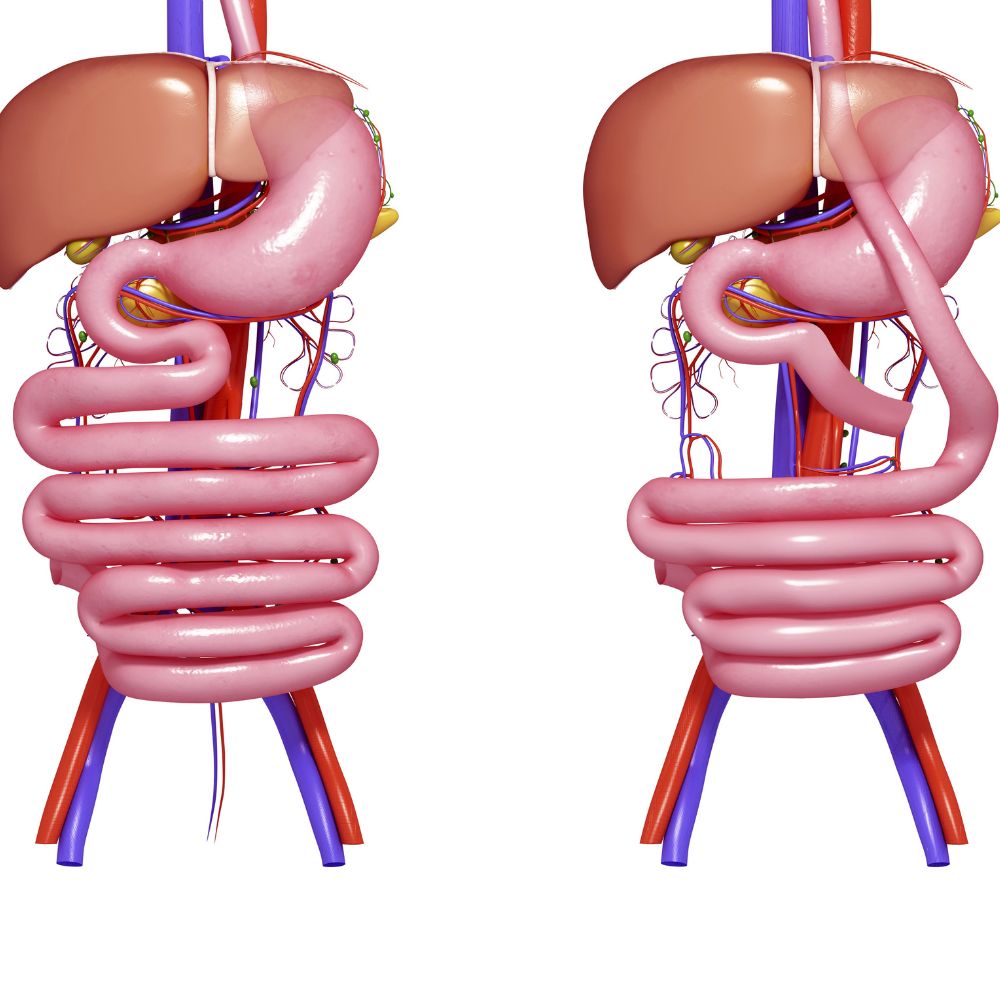
Gastric bypass surgery involves creating a small pouch from the stomach and connecting it directly to the small intestine, bypassing a portion of the digestive system. This results in significant weight loss by reducing the amount of food you can eat and the calories your body absorbs. Understanding the procedure and the recovery process is crucial. Recovery typically involves a hospital stay of three to five days, followed by several weeks of gradual return to normal activities. It’s important to follow your surgeon’s advice and attend all follow-up appointments to ensure a smooth recovery.
Post-Surgery Support and Lifestyle Changes
The journey to successful weight loss extends beyond the surgery itself. Long-term success requires commitment to lifestyle changes and continuous support.
Nutritional Guidance and Diet
After gastric bypass surgery, your diet will undergo significant changes. Most clinics in Turkey provide nutritional guidance to help you adapt to your new eating habits. Initially, your diet will consist of liquids and pureed foods before gradually reintroducing solid foods. Portion control and balanced nutrition are essential to avoid complications and ensure your body gets the nutrients it needs.
Physical Activity and Exercise
Incorporating regular exercise into your routine is vital for maintaining weight loss and enhancing overall health. Start with light activities, such as walking, and gradually increase the intensity as your body heals. Many clinics offer access to fitness experts who can help design a personalized exercise plan tailored to your needs and capabilities.
Psychological Support
Undergoing weight loss surgery is both a physical and emotional journey. Psychological support can be incredibly beneficial in helping you cope with the changes and challenges that come with significant weight loss. This support can include counseling, support groups, and access to mental health professionals who specialize in bariatric care.
Conclusion
Gastric bypass surgery in Turkey offers a promising solution for those battling obesity, combining affordability with high-quality medical care. With experienced surgeons, comprehensive support, and state-of-the-art facilities, Turkey provides an excellent environment for successful weight loss surgery. By thoroughly researching your options, preparing adequately for the procedure, and committing to necessary lifestyle changes, you can achieve long-term success on your weight loss journey in Turkey.
Gastric Sleeve Turkey, Mini Gastric Bypass Turkey, Gastric Bypass Turkey, Gastric Balloon Turkey, Scarless Gastric Sleeve Surgery Turkey, Gastric Surgery Turkey, Gastric Sleeve Antalya, Mini Gastric Bypass Antalya, Gastric Bypass Antalya, Gastric Balloon Antalya, Scarless Gastric Sleeve Surgery Antalya, Gastric Surgery Antalya, Gastric Sleeve in Antalya, Gastric Sleeve Price Antalya, Allurion Swallowable Gastric Balloon in Antalya, Gastric Sleeve in Turkey, Gastric Sleeve Price Turkey, Mini Gastric Bypass in Antalya, Mini Gastric Bypass in Turkey, Gastric Balloon Treatment Antalya, Gastric Balloon Treatment Turkey, Gastric Balloon Procedure All Inclusive in Turkey, Aesthetic Travel Antalya, Gastric Sleeve Travel Antalya, Gastric Balloon Travel Antalya, Gastric Bypass Travel Antalya, Aesthetic Travel Turkey, Gastric Sleeve Travel Turkey, Gastric Balloon Travel Turkey, Gastric Bypass Travel Turkey, Gastric Balloon in Antalya, Gastric Balloon in Turkey, Obesity Travel Antalya, Obesity Travel Turkey
FQ About Gastric Balloon Clinic in Antalya / Turkey
A mini gastric sleeve refers to a less invasive version of the standard sleeve gastrectomy. Its a simpler procedure that results in a smaller stomach size and helps with long-term weight loss. While not as widely performed, it is an option for those seeking weight-loss surgery with fewer complications.
The intragastric balloon is a non-surgical weight-loss method where a balloon is inserted into the stomach to reduce its capacity temporarily. While it can be an effective weight-loss tool, patients may experience side effects like nausea, vomiting, abdominal discomfort, acid reflux, and, in rare cases, balloon deflation or migration. Most side effects occur in the first few days after the procedure and can be managed with medication.
Weight loss pills include prescription medications like Orlistat (which blocks fat absorption) and over-the-counter supplements marketed to boost metabolism or suppress appetite. While some medications are effective when used correctly, they must be combined with lifestyle changes like diet and exercise for long-term success.
Weight-loss surgery, or bariatric surgery, includes procedures like gastric bypass, sleeve gastrectomy, and gastric banding. These surgeries are recommended for individuals with severe obesity who have not been able to lose weight through diet and exercise alone.
Gastritis erythema refers to redness or inflammation of the stomach lining, often seen during endoscopic examinations. It can indicate mild gastritis or early stages of stomach irritation. The cause may be related to infections, medication use, or diet, and treatment typically involves addressing the underlying issue.
Most women lose between 2 and 3 pants sizes after a tuck, but there are patients who lose even more. If you had a lot of loose skin before the procedure, for example, you could go down 4 more pants sizes.
Abdominal surgery involves any operation performed in the abdominal region, such as appendectomies, hernia repairs, or cancer removals. Minimally invasive techniques, like laparoscopy, have become common, reducing recovery time and post-operative complications.
Gastro consultants are specialists in diagnosing and treating conditions related to the digestive system, including the stomach, intestines, liver, and pancreas. They help manage conditions like irritable bowel syndrome (IBS), inflammatory bowel disease (IBD), acid reflux, ulcers, and gastrointestinal cancers. Regular consultations are key for patients with chronic digestive issues or those undergoing treatments like bariatric surgery.
The gastric sleeve procedure in Turkey is generally safe, with complication rates similar to global standards. The death rate for gastric sleeve surgery is extremely low, typically less than 1%. Most hospitals in Turkey follow international safety standards and use modern techniques to reduce the risk of complications. However, like any surgery, it does carry risks such as infection, bleeding, or complications from anesthesia. Patients are encouraged to research the qualifications of the surgeon and the clinic to... +More
A gastro specialist is a physician specializing in gastroenterology, the branch of medicine focused on the digestive system. They diagnose and treat conditions affecting the stomach, intestines, liver, and other digestive organs, such as GERD, IBS, Crohns disease, and ulcers.
A bariatric surgeon specializes in performing weight-loss surgeries like gastric bypass, sleeve gastrectomy, and gastric banding. These surgeons are trained in both traditional open surgery and minimally invasive techniques such as laparoscopy. They also provide guidance on pre- and post-operative care to ensure the success of the weight-loss procedure and minimize complications.
Pages
5 Years of Helping 15,000+ People Change Their Lives

-

 £ 1580£ 1450GASTRIC BALLOON PROCEDURE PACKAGE
Give a call to learn more about what’s included and to come up with a tailored plan if you need unique accommodations that are not listed below.
- Airport
- Hotel
- Hospital transfer
- The balloon is placed via endoscopy, the procedure takes 15-20 minutes and you are discharged after 2-3 hours. It is enough to stay here for 1 night.
- Blood samples & x-rays
- 5 year follow up

-
 £ 2750£ 2550GASTRIC SLEEVE PACKAGE
GASTRIC SLEEVE PACKAGE COST TURKEY / ANTALYA
Give a call to learn more about what’s included and to come up with a tailored plan if you need unique accommodations that are not listed below.- Airport
- Hotel
- Hospital transfer
- 4 day stay at hospital
- Blood samples & x-rays
- 5 year follow up
-
 £ 3100£ 2900MINI GASTRIC BYPASS PACKAGE
MINI GASTRIC BYPASS PACKAGE TURKEY
Give a call to learn more about what’s included and to come up with a tailored plan if you need unique accommodations that are not listed below.- Airport
- Hotel
- Hospital transfer
- 4 day stay at hospital
- Blood samples & x-rays
- 5 year follow up