Before & After Gastric Balloon, Obesity Travel Turkey


Calculate Your Cost / Price


-
2.1 Who is Suitable for a Gastric Balloon?
The gastric balloon is suitable for adults with a body mass index (BMI) of 30-40 who have not succeeded with other weight loss methods. It is also considered for individuals with a BMI over 27 who have obesity-related health conditions such as diabetes, hypertension, or sleep apnea.
-
2.2 Who is Not Suitable for a Gastric Balloon?
The gastric balloon is not suitable for individuals with certain medical conditions, including those with a history of gastrointestinal surgery, severe liver disease, or inflammatory bowel disease. It is also not recommended for pregnant women or those planning to become pregnant soon.
-
3 Risks and Complications of the Gastric Balloon in Turkey
While the gastric balloon is generally safe, there are potential risks and complications associated with its use. These can include nausea, vomiting, abdominal pain, and acid reflux, especially in the first few days after insertion. More serious complications, although rare, can include balloon deflation and migration, leading to intestinal obstruction.
-
3.1 What Happens if the Gastric Balloon Burst in Turkeys?
If a gastric balloon deflates or bursts, it can potentially migrate into the intestines, causing an obstruction. In such cases, immediate medical attention is required to remove the deflated balloon. Most modern gastric balloons are designed with a safety feature that changes the color of the patient’s urine if the balloon deflates, providing an early warning sign.
-
4 What are the Outcomes of Gastric Balloon Application?
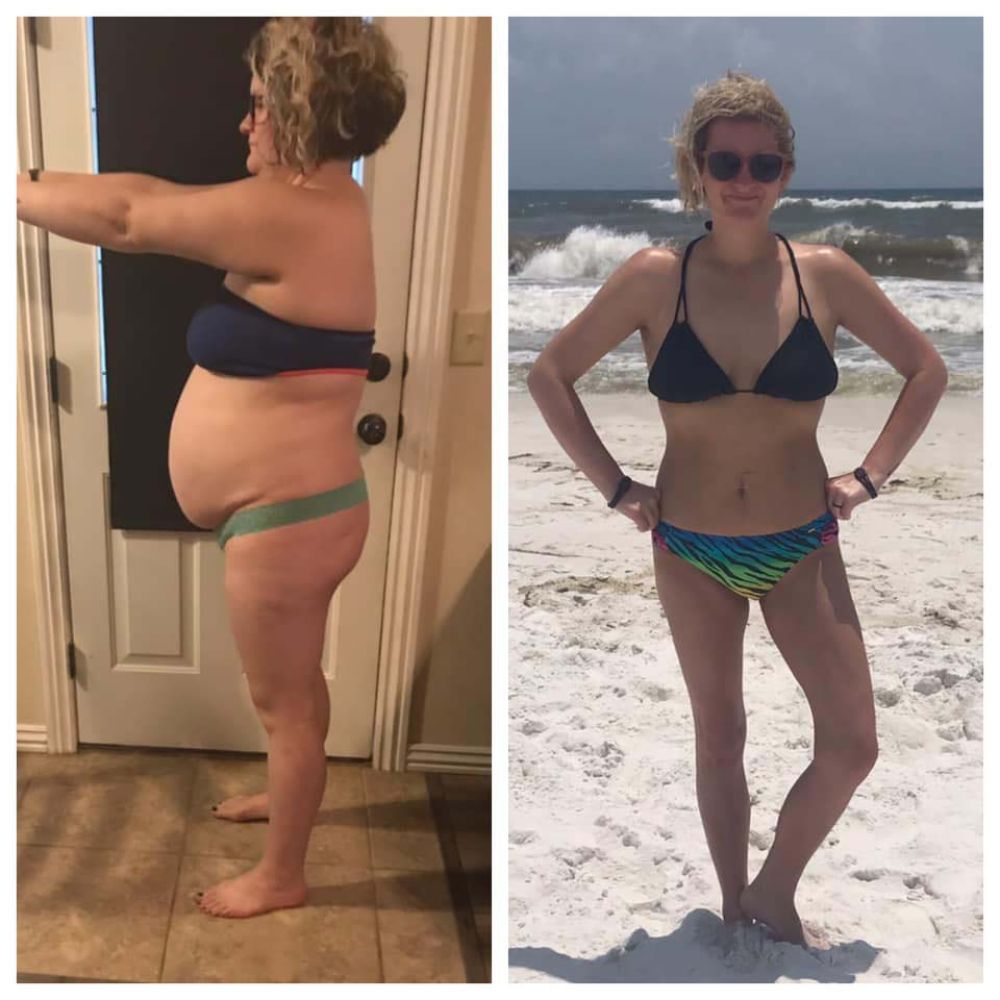
The primary outcome of gastric balloon application is significant weight loss. Patients can expect to lose between 10-15% of their total body weight over the six months the balloon is in place. This weight loss can lead to improvements in obesity-related conditions such as type 2 diabetes, hypertension, and sleep apnea. Additionally, patients often experience an enhanced quality of life and increased mobility.
-
5 After the Gastric Balloon
Post-procedure care is crucial for the success of the gastric balloon treatment. This includes dietary modifications, regular physical activity, and psychological support to ensure long-term weight management.
-
5.1 Nutrition After the Gastric Balloon
After the gastric balloon insertion, patients must follow a liquid diet for the first few days, gradually progressing to soft foods and then regular foods. A nutritionist often guides patients in adopting a balanced, low-calorie diet to maximize weight loss and maintain results after the balloon is removed.
-
5.2 Physical Activity Orientation
Regular physical activity is essential after gastric balloon placement. Patients are encouraged to engage in moderate exercise, such as walking, swimming, or cycling, to enhance weight loss and overall health. An exercise plan tailored to the patient's abilities and goals can help maintain motivation and consistency.
-
5.3 Psychological Support
Psychological support plays a vital role in the success of the gastric balloon procedure. Counseling or support groups can help patients address emotional eating habits, stay motivated, and cope with the lifestyle changes required for sustained weight loss.
6 Frequently Asked Questions About the Gastric Balloon Procedure
-
6.1 How Does the Gastric Balloon Help with Weight Loss?
The gastric balloon helps with weight loss by taking up space in the stomach, which reduces the amount of food the stomach can hold and promotes a feeling of fullness. This helps patients eat smaller portions and reduce their overall calorie intake.
-
6.2 What is the Purpose of the Gastric Balloon?
The purpose of the gastric balloon is to provide a non-surgical, temporary weight loss solution for obese individuals. It helps jumpstart weight loss, providing patients with the motivation and physical changes needed to adopt healthier lifestyle habits.
-
6.3 Are People Satisfied with the Gastric Balloon?
Many patients report high satisfaction with the gastric balloon due to the significant weight loss achieved and improvements in obesity-related health conditions. However, success depends on the patient's commitment to lifestyle changes and follow-up care.
-
6.4 What are the Advantages of the Gastric Balloon?
Advantages of the gastric balloon include its non-surgical nature, relatively quick and easy insertion and removal procedures, and significant weight loss potential. It also provides an option for patients who are not candidates for or do not wish to undergo bariatric surgery.
-
6.5 What are the Risks / Disadvantages of the Gastric Balloon?
The risks and disadvantages of the gastric balloon include potential side effects such as nausea, vomiting, and abdominal discomfort, especially in the initial days. There is also a risk of balloon deflation and migration. Additionally, the weight loss achieved can vary, and maintaining the results requires a strong commitment to lifestyle changes.
6.6 How Much Weight Can I Lose with the Balloon?
Patients can expect to lose between 10-15% of their total body weight over the six months the balloon is in place. The exact amount of weight loss depends on factors such as adherence to dietary recommendations and engagement in physical activity.
Gastric Sleeve Turkey, Mini Gastric Bypass Turkey, Gastric Bypass Turkey, Gastric Balloon Turkey, Scarless Gastric Sleeve Surgery Turkey, Gastric Surgery Turkey, Gastric Sleeve Antalya, Mini Gastric Bypass Antalya, Gastric Bypass Antalya, Gastric Balloon Antalya, Scarless Gastric Sleeve Surgery Antalya, Gastric Surgery Antalya, Gastric Sleeve in Antalya, Gastric Sleeve Price Antalya, Allurion Swallowable Gastric Balloon in Antalya, Gastric Sleeve in Turkey, Gastric Sleeve Price Turkey, Mini Gastric Bypass in Antalya, Mini Gastric Bypass in Turkey, Gastric Balloon Treatment Antalya, Gastric Balloon Treatment Turkey, Gastric Balloon Procedure All Inclusive in Turkey, Aesthetic Travel Antalya, Gastric Sleeve Travel Antalya, Gastric Balloon Travel Antalya, Gastric Bypass Travel Antalya, Aesthetic Travel Turkey, Gastric Sleeve Travel Turkey, Gastric Balloon Travel Turkey, Gastric Bypass Travel Turkey, Gastric Balloon in Antalya, Gastric Balloon in Turkey, Obesity Travel Antalya, Obesity Travel Turkey
FQ About Gastric Balloon Clinic in Antalya / Turkey
Gastric sleeve surgery in Antalya consistently receives high praise from international patients, with many sharing their positive experiences online. Reviews highlight the significant weight loss achieved, the professionalism of Turkish surgeons, and the quality of care provided by the clinics. Patients appreciate the comprehensive packages offered by many Turkish clinics, which often include accommodation, transportation, and post-operative care, making the entire process seamless. Antalyas combination of... +More
CA stomach surgery refers to surgical procedures for stomach cancer. Depending on the stage of the cancer, surgery may involve removing part or all of the stomach (gastrectomy) and possibly surrounding lymph nodes or other organs. Stomach cancer surgery is often combined with chemotherapy or radiation.
Weight loss before surgery was associated with readmission for abdominal pain and increases in urinary tract and surgical site infections, researchers found. The tradition may also be tied to insurance carriers who require weight loss and counseling before surgical treatment. The singer-songwriter lost 100 pounds in two years by lifting weights and doing circuit training. "So I do my weights in the morning, then I normally hike or I box in the afternoon, and then I go and do my cardio at night," she said... +More
Gastric band surgery involves placing an adjustable band around the upper portion of the stomach, limiting food intake and promoting weight loss. This procedure is reversible and less invasive than other bariatric surgeries. Its available privately and occasionally through the NHS for eligible patients.
Gastric Sleeve Whatclinic Reviews in Antalya Gastric Sleeve Reviews in Antalya We tried to collect comments for you under the topic title Gastric Sleeve Reviews in Antalya The safety of gastric sleeve surgery, or any medical procedure, in Turkey or any other country depends on various factors, including the expertise of the medical professionals, the quality of healthcare facilities, and adherence to safety standards and protocols. While Turkey has gained recognition as a popular destination for medical tourism,... +More
Turkey Antalya Sleeve gastrectomy - from $2500 Bariatric Surgery Turkey Price For more details in our article, How much is gastric sleeve in izmir where you will find all the information about How much is gastric sleeve in izmir please contact us. How much is gastric sleeve in izmir Turkey Antalya Sleeve gastrectomy - from $2500 Bariatric Surgery Turkey Price
The NHS in the UK has started prescribing Wegovy to patients who struggle with obesity and have failed to achieve significant weight loss through diet and exercise. This medication is part of a broader initiative to provide patients with additional tools to combat the obesity epidemic. Wegovy is typically prescribed alongside lifestyle changes to maximize its effectiveness.
The cost of a gastric band varies by country and healthcare system. In the UK, it can cost between £5,000 to £8,000 privately, while in the U.S., it ranges from $9,000 to $15,000. Some insurance plans may cover the procedure if it's deemed medically necessary for obesity treatment.
Finding the best clinic in Turkey for gastric sleeve surgery requires thorough research. The top clinics boast state-of-the-art facilities, highly experienced surgeons, and excellent aftercare. Some clinics specialize in bariatric surgery, offering a tailored approach to each patients needs. Patients should look for clinics with internationally accredited surgeons, positive testimonials, and transparent pricing. Researching online reviews and consulting with medical tourism agencies can help in identifying the... +More
Most women lose between 2 and 3 pants sizes after a tuck, but there are patients who lose even more. If you had a lot of loose skin before the procedure, for example, you could go down 4 more pants sizes.
Always consume lean protein first, non-starchy vegetables second, and high-fiber carbs or a healthy fat source last. Try to consume at least 64 ounces of hydrating fluids. Avoid added-sugar drinks, carbonation, and excessive caffeine. Consume alcohol in moderation.
Pages
5 Years of Helping 15,000+ People Change Their Lives

-

 £ 1580£ 1450GASTRIC BALLOON PROCEDURE PACKAGE
Give a call to learn more about what’s included and to come up with a tailored plan if you need unique accommodations that are not listed below.
- Airport
- Hotel
- Hospital transfer
- The balloon is placed via endoscopy, the procedure takes 15-20 minutes and you are discharged after 2-3 hours. It is enough to stay here for 1 night.
- Blood samples & x-rays
- 5 year follow up

-
 £ 2750£ 2550GASTRIC SLEEVE PACKAGE
GASTRIC SLEEVE PACKAGE COST TURKEY / ANTALYA
Give a call to learn more about what’s included and to come up with a tailored plan if you need unique accommodations that are not listed below.- Airport
- Hotel
- Hospital transfer
- 4 day stay at hospital
- Blood samples & x-rays
- 5 year follow up
-
 £ 3100£ 2900MINI GASTRIC BYPASS PACKAGE
MINI GASTRIC BYPASS PACKAGE TURKEY
Give a call to learn more about what’s included and to come up with a tailored plan if you need unique accommodations that are not listed below.- Airport
- Hotel
- Hospital transfer
- 4 day stay at hospital
- Blood samples & x-rays
- 5 year follow up