Before & After Gastric Balloon, Obesity Travel Turkey


Calculate Your Cost / Price


-
2.1 Who is Suitable for a Gastric Balloon?
The gastric balloon is suitable for adults with a body mass index (BMI) of 30-40 who have not succeeded with other weight loss methods. It is also considered for individuals with a BMI over 27 who have obesity-related health conditions such as diabetes, hypertension, or sleep apnea.
-
2.2 Who is Not Suitable for a Gastric Balloon?
The gastric balloon is not suitable for individuals with certain medical conditions, including those with a history of gastrointestinal surgery, severe liver disease, or inflammatory bowel disease. It is also not recommended for pregnant women or those planning to become pregnant soon.
-
3 Risks and Complications of the Gastric Balloon in Turkey
While the gastric balloon is generally safe, there are potential risks and complications associated with its use. These can include nausea, vomiting, abdominal pain, and acid reflux, especially in the first few days after insertion. More serious complications, although rare, can include balloon deflation and migration, leading to intestinal obstruction.
-
3.1 What Happens if the Gastric Balloon Burst in Turkeys?
If a gastric balloon deflates or bursts, it can potentially migrate into the intestines, causing an obstruction. In such cases, immediate medical attention is required to remove the deflated balloon. Most modern gastric balloons are designed with a safety feature that changes the color of the patient’s urine if the balloon deflates, providing an early warning sign.
-
4 What are the Outcomes of Gastric Balloon Application?
The primary outcome of gastric balloon application is significant weight loss. Patients can expect to lose between 10-15% of their total body weight over the six months the balloon is in place. This weight loss can lead to improvements in obesity-related conditions such as type 2 diabetes, hypertension, and sleep apnea. Additionally, patients often experience an enhanced quality of life and increased mobility.
-
5 After the Gastric Balloon
Post-procedure care is crucial for the success of the gastric balloon treatment. This includes dietary modifications, regular physical activity, and psychological support to ensure long-term weight management.
-
5.1 Nutrition After the Gastric Balloon
After the gastric balloon insertion, patients must follow a liquid diet for the first few days, gradually progressing to soft foods and then regular foods. A nutritionist often guides patients in adopting a balanced, low-calorie diet to maximize weight loss and maintain results after the balloon is removed.
-
5.2 Physical Activity Orientation
Regular physical activity is essential after gastric balloon placement. Patients are encouraged to engage in moderate exercise, such as walking, swimming, or cycling, to enhance weight loss and overall health. An exercise plan tailored to the patient's abilities and goals can help maintain motivation and consistency.
-
5.3 Psychological Support
Psychological support plays a vital role in the success of the gastric balloon procedure. Counseling or support groups can help patients address emotional eating habits, stay motivated, and cope with the lifestyle changes required for sustained weight loss.
6 Frequently Asked Questions About the Gastric Balloon Procedure
-
6.1 How Does the Gastric Balloon Help with Weight Loss?
The gastric balloon helps with weight loss by taking up space in the stomach, which reduces the amount of food the stomach can hold and promotes a feeling of fullness. This helps patients eat smaller portions and reduce their overall calorie intake.
-
6.2 What is the Purpose of the Gastric Balloon?
The purpose of the gastric balloon is to provide a non-surgical, temporary weight loss solution for obese individuals. It helps jumpstart weight loss, providing patients with the motivation and physical changes needed to adopt healthier lifestyle habits.
-
6.3 Are People Satisfied with the Gastric Balloon?
Many patients report high satisfaction with the gastric balloon due to the significant weight loss achieved and improvements in obesity-related health conditions. However, success depends on the patient's commitment to lifestyle changes and follow-up care.
-
6.4 What are the Advantages of the Gastric Balloon?
Advantages of the gastric balloon include its non-surgical nature, relatively quick and easy insertion and removal procedures, and significant weight loss potential. It also provides an option for patients who are not candidates for or do not wish to undergo bariatric surgery.
-
6.5 What are the Risks / Disadvantages of the Gastric Balloon?
The risks and disadvantages of the gastric balloon include potential side effects such as nausea, vomiting, and abdominal discomfort, especially in the initial days. There is also a risk of balloon deflation and migration. Additionally, the weight loss achieved can vary, and maintaining the results requires a strong commitment to lifestyle changes.
6.6 How Much Weight Can I Lose with the Balloon?
Patients can expect to lose between 10-15% of their total body weight over the six months the balloon is in place. The exact amount of weight loss depends on factors such as adherence to dietary recommendations and engagement in physical activity.
Gastric Sleeve Turkey, Mini Gastric Bypass Turkey, Gastric Bypass Turkey, Gastric Balloon Turkey, Scarless Gastric Sleeve Surgery Turkey, Gastric Surgery Turkey, Gastric Sleeve Antalya, Mini Gastric Bypass Antalya, Gastric Bypass Antalya, Gastric Balloon Antalya, Scarless Gastric Sleeve Surgery Antalya, Gastric Surgery Antalya, Gastric Sleeve in Antalya, Gastric Sleeve Price Antalya, Allurion Swallowable Gastric Balloon in Antalya, Gastric Sleeve in Turkey, Gastric Sleeve Price Turkey, Mini Gastric Bypass in Antalya, Mini Gastric Bypass in Turkey, Gastric Balloon Treatment Antalya, Gastric Balloon Treatment Turkey, Gastric Balloon Procedure All Inclusive in Turkey, Aesthetic Travel Antalya, Gastric Sleeve Travel Antalya, Gastric Balloon Travel Antalya, Gastric Bypass Travel Antalya, Aesthetic Travel Turkey, Gastric Sleeve Travel Turkey, Gastric Balloon Travel Turkey, Gastric Bypass Travel Turkey, Gastric Balloon in Antalya, Gastric Balloon in Turkey, Obesity Travel Antalya, Obesity Travel Turkey
FQ About Gastric Balloon Clinic in Antalya / Turkey
The gastric balloon pill is a new, non-invasive weight-loss method where a deflated balloon is swallowed in pill form and then inflated in the stomach. Known as the Allurion Balloon, this method reduces the amount of food the stomach can hold, promoting weight loss without surgery.
For the first 3 to 6 weeks, you'll probably feel tired a lot of the time. This is because your body is using a lot of energy to heal itself. By 6 weeks, you should be able to do most of your normal activities and by 3 months you're likely to be fully recovered.
The singer-songwriter lost 100 pounds in two years by lifting weights and doing circuit training. "So I do my weights in the morning, then I normally hike or I box in the afternoon, and then I go and do my cardio at night," she said. "I'm an athlete," Adele said
Abdominal surgery covers a wide range of procedures, from bariatric surgeries to hernia repairs and cancer resections. Recovery time and hospital stay depend on the type of surgery performed, with some requiring only a few days in the hospital, while others may need extended stays for observation and healing.
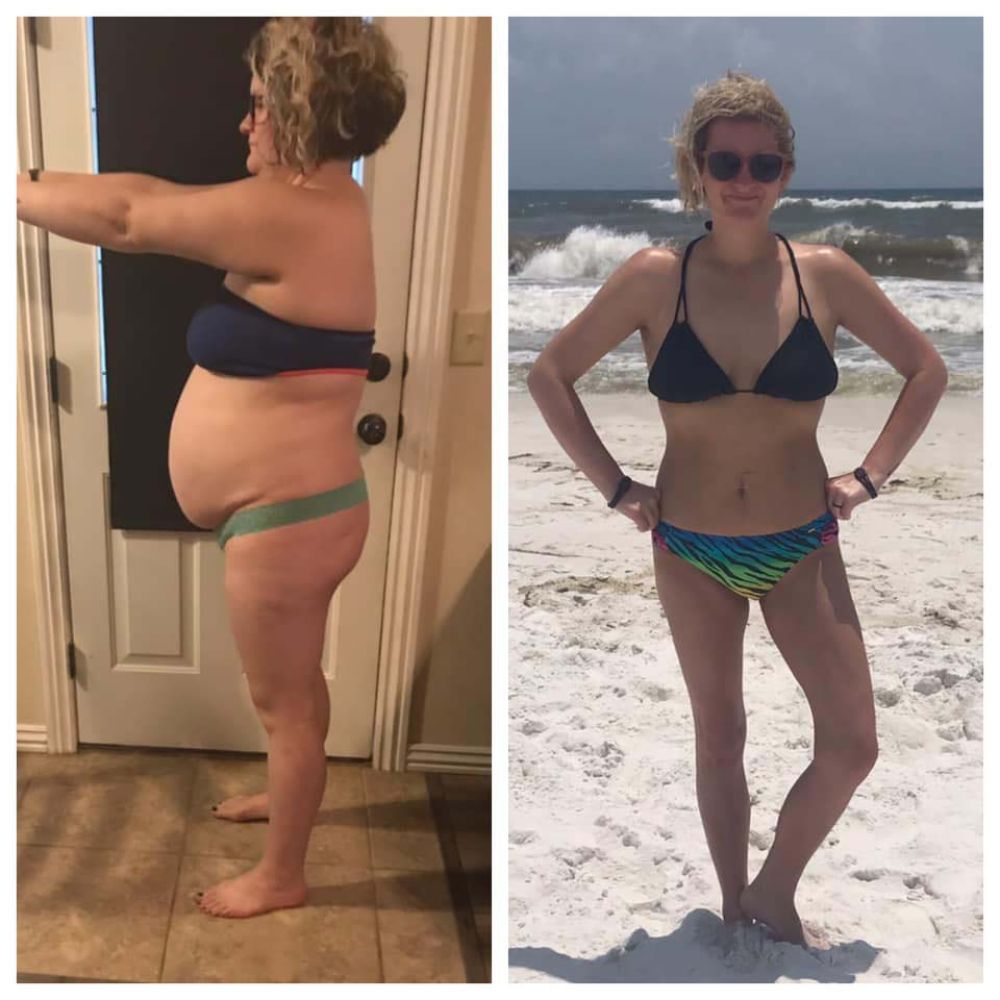
Before and after photos from patients who have undergone the 6-month gastric balloon procedure often show significant weight loss. Many patients report losing 20-30% of their excess body weight within six months. The procedures success, however, depends on the patients ability to follow a healthy diet and exercise regimen after the balloon is removed.
Pizza and pasta are normally favorites, but after bariatric surgery, they should be consumed in moderation. If you are having pizza, order a thin crust and add veggies and lean meats, such as chicken or Canadian bacon. Overall, you should choose a menu item that is centered on protein, like grilled chicken or seafood
As such the answer to can your stomach grow back after weight loss surgery is NO, it will not grow back to its original size, but rather hold a capacity that allows the patient to have a long term normal life once they achieve their weight loss success.
Gastro consultants are specialists in diagnosing and treating conditions related to the digestive system, including the stomach, intestines, liver, and pancreas. They help manage conditions like irritable bowel syndrome (IBS), inflammatory bowel disease (IBD), acid reflux, ulcers, and gastrointestinal cancers. Regular consultations are key for patients with chronic digestive issues or those undergoing treatments like bariatric surgery.
Gastritis is an inflammation of the stomach lining, caused by infections (commonly H. pylori), prolonged use of NSAIDs, alcohol consumption, or stress. Symptoms include nausea, vomiting, stomach pain, and bloating. Treatment typically involves antacids, antibiotics (if infection is present), and lifestyle changes like dietary modifications.
Roux-en-Y Gastric Bypass (RYGB) is a popular form of bariatric surgery that reduces the size of the stomach and reroutes the digestive system. This results in both restriction of food intake and malabsorption, leading to significant weight loss. The surgery is considered highly effective for morbidly obese individuals and also helps improve obesity-related health issues like diabetes, hypertension, and sleep apnea. However, it requires lifelong dietary changes and nutritional supplements to avoid deficiencies.
Mini Gastric Bypass is Highly Successful - According to the Cleveland Clinic[i], the success rates of this surgery are around 85% five years after surgery. That means people are losing a significant amount of weight and keeping it off
Pages
5 Years of Helping 15,000+ People Change Their Lives

-

 £ 1580£ 1450GASTRIC BALLOON PROCEDURE PACKAGE
Give a call to learn more about what’s included and to come up with a tailored plan if you need unique accommodations that are not listed below.
- Airport
- Hotel
- Hospital transfer
- The balloon is placed via endoscopy, the procedure takes 15-20 minutes and you are discharged after 2-3 hours. It is enough to stay here for 1 night.
- Blood samples & x-rays
- 5 year follow up

-
 £ 2750£ 2550GASTRIC SLEEVE PACKAGE
GASTRIC SLEEVE PACKAGE COST TURKEY / ANTALYA
Give a call to learn more about what’s included and to come up with a tailored plan if you need unique accommodations that are not listed below.- Airport
- Hotel
- Hospital transfer
- 4 day stay at hospital
- Blood samples & x-rays
- 5 year follow up
-
 £ 3100£ 2900MINI GASTRIC BYPASS PACKAGE
MINI GASTRIC BYPASS PACKAGE TURKEY
Give a call to learn more about what’s included and to come up with a tailored plan if you need unique accommodations that are not listed below.- Airport
- Hotel
- Hospital transfer
- 4 day stay at hospital
- Blood samples & x-rays
- 5 year follow up