
What should I do for gastric balloon treatment in Turkey?


Calculate Your Cost / Price


Pain and nausea affect about one-third of people soon after insertion of an intragastric balloon.
How do I go for gastric balloon treatment in Turkey?
Which hospital is best for gastric balloon in Turkey?
-
How to prepare for gastric balloon?
Before insertion of the gastric balloon, you must fast from food and drinks for 12 hours. When the gastric balloon is to be removed, you must start on a fluid-only diet 48 hours beforehand. This means no solid food at all.
-
How do you qualify for gastric balloon?
Patients may be eligible for a gastric balloon if they have a BMI between 30 and 40, and they haven't been able to lose weight and keep it off with other weight-loss plans.
-
What to expect when you get a gastric balloon?
Pain and nausea affect about one-third of people soon after insertion of an intragastric balloon. However, these symptoms usually only last for a few days after balloon placement. Although rare, serious side effects may occur after intragastric balloon placement.
-
What do I eat in a day with a gastric balloon?
Continue to eat 3 regular meals each day and try not to leave more than 3-4 hours between meals.
EAT FIRST -Protein (meat, fish, poultry, eggs, beans, pulses)
EAT SECOND- Vegetables and salad.
EAT LAST - Carbohydrates (bread, rice, potato, pasta, grains)
-
How to sleep with a gastric balloon?
Once you have passed the initial few weeks following the gastric balloon procedure, you should be able to sleep normally. This means you can sleep on your back or on your side. Sleeping in these positions allows your body's natural digestive processes to function while you rest.
-
Can you eat bread with a gastric balloon?
Avoid anything doughy such as bread or chapattis as these can stick to the balloon. You can gradually start to include the 'caution foods'. Continue to drink between meals only and avoid sugary or fizzy drinks as before. Still aim for about 2 litres (3½ pints) each day.
-
How quickly do you lose weight with gastric balloon?
Losing Weight with a Gastric Balloon
You are likely to lose weight quickly, especially in the first three to four months of living with the gastric balloon. Typically, people lose about 10 to 15% of their body weight by the time the six-month program is complete.
-
Can you drink coffee with a gastric balloon?
This includes any fluid such as water, juices, milk, squash and soups. Tea and coffee are also allowed though should not be your main source of fluids. You should avoid drinks with too much gas. Fizzy drinks can cause a great deal of discomfort with a gastric balloon.
-
Can I fly with a gastric balloon?
Yes. Flying with a gastric balloon is perfectly fine. It will not burst or rupture on a commercial flight. Once you've recovered from the initial symptoms of having a placement you will be able to fly and enjoy your holiday as normal.
-
How long do you feel sick after gastric balloon?
Nausea and vomiting are very common in the first seven to ten days after gastric balloon insertion and this is simply because your stomach isn't used to having it there.
-
Is gastric balloon a good idea?
The gastric balloon procedure may be particularly useful for people considered too overweight to undergo vital surgery. The use of the balloon to successfully reduce weight prior to surgery can also help to reduce the risks associated with surgical procedures on overweight patients.
-
What happens if the gastric balloon pops?
Bowel obstruction and perforation are the most significant concerns if your balloon bursts. Symptoms such as severe abdominal pain, vomiting, or difficulty swallowing should never be ignored, as they may indicate a burst balloon.
-
Do you feel hungry after gastric balloon?
Approximately 90% of people have no appetite at all after the insertion of an intragastric balloon. In the first 10 days you will be restricted to a liquid diet, but most people do not feel hungry!
-
Who cannot have a gastric balloon?
Who is not a candidate for gastric balloon? Gastric balloon is not qualified to pregnant women, long-term cortisone users, those who are undergoing cancer treatment or those who have recently had cancer treatment.
-
How painful is a gastric balloon?
About one-third of patients have pain, nausea or discomfort in the first few days. Over-the-counter pain medication usually helps. Weight loss: You may not feel hungry the first couple of weeks, leading to rapid weight loss.
-
Can your body reject a gastric balloon?
It is important to remember that a BIB gastric balloon is a foreign object, meaning your body will attempt to reject it.
-
What is the age limit for gastric balloon?
To be eligible for gastric balloon, you must: Be at least 13 years old. Have a body mass index (BMI) ≥30 and ≤40 kg/m2. Have tried other weight-loss programs, such as a supervised diet or exercise regimen.
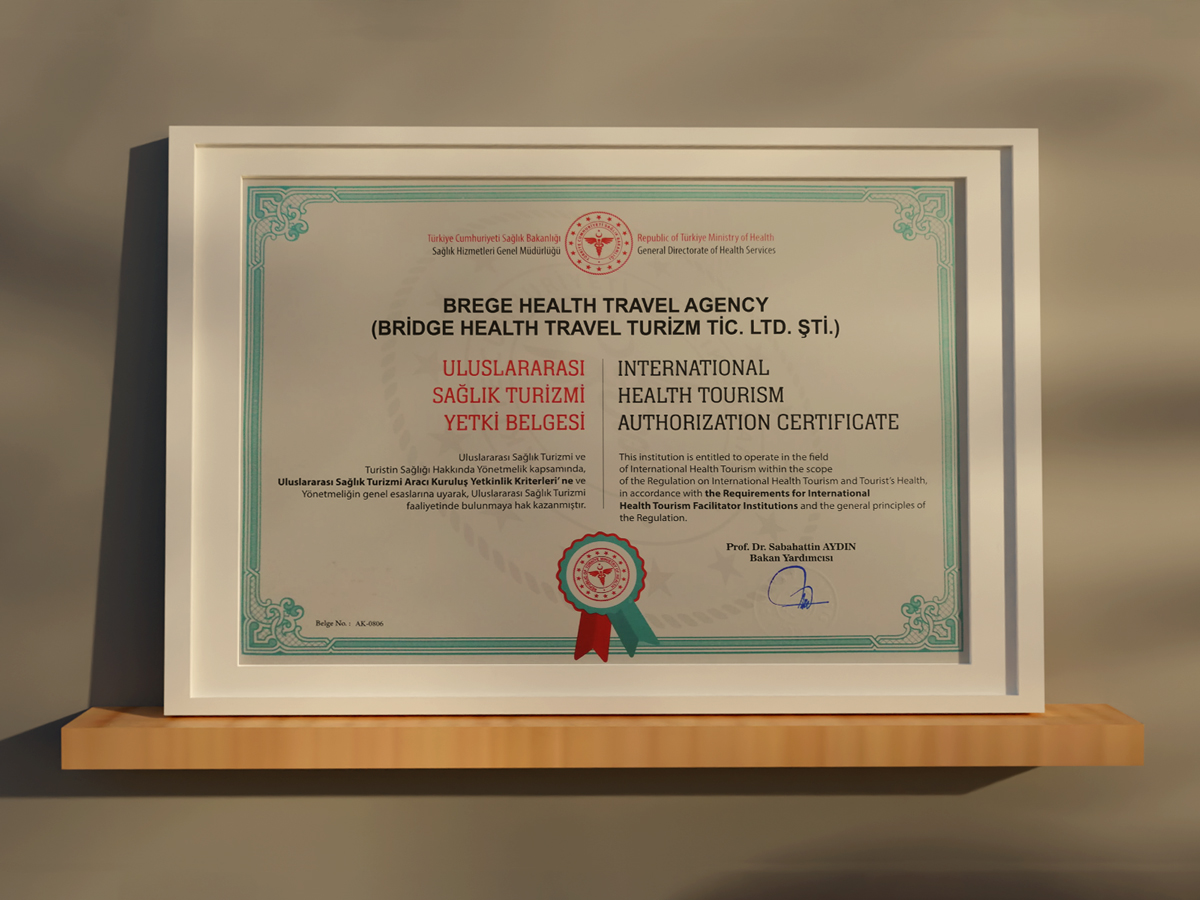
Gastric Balloon Treatment Antalya, Gastric Balloon Treatment Turkey, Gastric Balloon Procedure All Inclusive in Turkey, Aesthetic Travel Antalya, Gastric Sleeve Travel Antalya, Gastric Balloon Travel Antalya, Gastric Bypass Travel Antalya, Aesthetic Travel Turkey, Gastric Sleeve Travel Turkey, Gastric Balloon Travel Turkey, Gastric Bypass Travel Turkey, Gastric Sleeve in Antalya, Gastric Balloon in Antalya, Gastric Sleeve in Turkey, Gastric Balloon in Turkey, Obesity Travel Antalya, Obesity Travel Turkey, Gastric Sleeve Antalya, Bariatric Antalya, Gastric Bypass Antalya, Mini Gastric Bypass Antalya, Gastric Balloon Antalya, Gastric Sleeve Price Turkey, 2024 Gastric Sleeve Price Antalya, 2024 Gastric Sleeve Price Turkey, 2024 Mini Gastric Bypass Price Turkey, 2024 Gastric Balloon Price Turkey, 2024 Mini Gastric Bypass Price Antalya, 2024 Gastric Balloon Price Antalya
FQ About Gastric Balloon Clinic in Antalya / Turkey
Bread, Rice, and Pasta - Because of the starchy nature of bread, rice, and pasta, after your surgery, they can form a paste in your throat that is hard to swallow without liquid. In some cases, they can block the stoma, the hole to the pouch that is your new stomach. Currently, bariatric surgery is the most effective treatment for severe obesity and its metabolic complications; however, 1535% of the patients that undergo bariatric surgery do not reach their goal for weight loss Longer term risks and complications... +More
The "Skinny Pen" refers to a weight-loss medication called liraglutide (brand name Saxenda) that is administered through a daily injection. It works by mimicking a hormone that regulates appetite, helping patients feel fuller for longer. This treatment is often used for individuals who struggle with obesity but are not candidates for surgery or who need additional help in managing their weight post-bariatric surgery. The drug is available by prescription and is used in conjunction with diet and exercise.
For individuals struggling with obesity, there are many options for weight-loss help, including bariatric surgery, medication, lifestyle changes, and behavioral therapies. Consulting with a healthcare provider can help determine the best course of action based on individual needs and health conditions.
The primary difference between mini gastric bypass surgery and a full gastric bypass is that the mini version of the surgery is performed in a modified manner that involves less intestinal rerouting and a shorter overall surgery time. Since salads are typically made of raw fruits and vegetables they can be more difficult to digest. And since you had bariatric surgery your ability to digest foods has changed and will take some time to adjust Longer term risks and complications of gastric bypass can include: Bowel... +More
A diet clinic offers personalized services to help people manage their weight, often through nutritional counseling, meal planning, and fitness guidance. These clinics may also provide medical interventions such as appetite suppressants, weight-loss injections, or bariatric surgery evaluations. They cater to individuals looking for both medical and non-surgical weight-loss solutions.
The prognosis for gastrointestinal (GI) cancer depends on the type and stage of cancer at diagnosis. Early-stage GI cancers, including stomach, colon, and esophageal cancers, have better survival rates when treated with surgery, chemotherapy, or radiation. Advanced-stage cancers are more difficult to treat and often require palliative care.
Gastric bypass surgery, also known as a Roux-en-Y, is one kind of weight-loss surgery. You can live a normal live after gastric bypass but you have to change your diet, exercise and lifestyle habits
Gastric Bypass Whatclinic Reviews in Turkey Gastric Bypass Reviews in Turkey We tried to collect comments for you under the topic title Gastric Bypass Reviews in Turkey The safety of gastric sleeve surgery, or any medical procedure, in Turkey or any other country depends on various factors, including the expertise of the medical professionals, the quality of healthcare facilities, and adherence to safety standards and protocols. While Turkey has gained recognition as a popular destination for medical tourism, it's... +More
Turkey is home to internationally accredited hospitals that offer expertise in a wide range of plastic and cosmetic procedures. Boasting state-of-the-art infrastructure and the latest advanced medical technologies, plastic surgery hospitals in Turkey are the ideal destination for many patients. Along with world-class healthcare facilities, plastic and cosmetic surgeons in Turkey have extensive experience in their respective fields. Their skills and knowledge are unmatchable and recognized throughout the world... +More
Clinic Antalya Obesity Surgery Whatclinic Reviews in Turkey Clinic Antalya Obesity Surgery Reviews in Turkey We tried to collect comments for you under the topic title Clinic Antalya Obesity Surgery Reviews in Turkey The safety of gastric sleeve surgery, or any medical procedure, in Turkey or any other country depends on various factors, including the expertise of the medical professionals, the quality of healthcare facilities, and adherence to safety standards and protocols. While Turkey has gained recognition as... +More
After sleeve gastrectomy, patients follow a specific diet to help the stomach heal and ensure success in weight loss. The diet starts with liquids, followed by pureed foods, and eventually soft foods before transitioning to solid foods. High-protein, low-fat, and low-sugar meals are critical, along with small, frequent portions.
Pages
5 Years of Helping 15,000+ People Change Their Lives

-

 £ 1580£ 1450GASTRIC BALLOON PROCEDURE PACKAGE
Give a call to learn more about what’s included and to come up with a tailored plan if you need unique accommodations that are not listed below.
- Airport
- Hotel
- Hospital transfer
- The balloon is placed via endoscopy, the procedure takes 15-20 minutes and you are discharged after 2-3 hours. It is enough to stay here for 1 night.
- Blood samples & x-rays
- 5 year follow up

-
 £ 2750£ 2550GASTRIC SLEEVE PACKAGE
GASTRIC SLEEVE PACKAGE COST TURKEY / ANTALYA
Give a call to learn more about what’s included and to come up with a tailored plan if you need unique accommodations that are not listed below.- Airport
- Hotel
- Hospital transfer
- 4 day stay at hospital
- Blood samples & x-rays
- 5 year follow up
-
 £ 3100£ 2900MINI GASTRIC BYPASS PACKAGE
MINI GASTRIC BYPASS PACKAGE TURKEY
Give a call to learn more about what’s included and to come up with a tailored plan if you need unique accommodations that are not listed below.- Airport
- Hotel
- Hospital transfer
- 4 day stay at hospital
- Blood samples & x-rays
- 5 year follow up